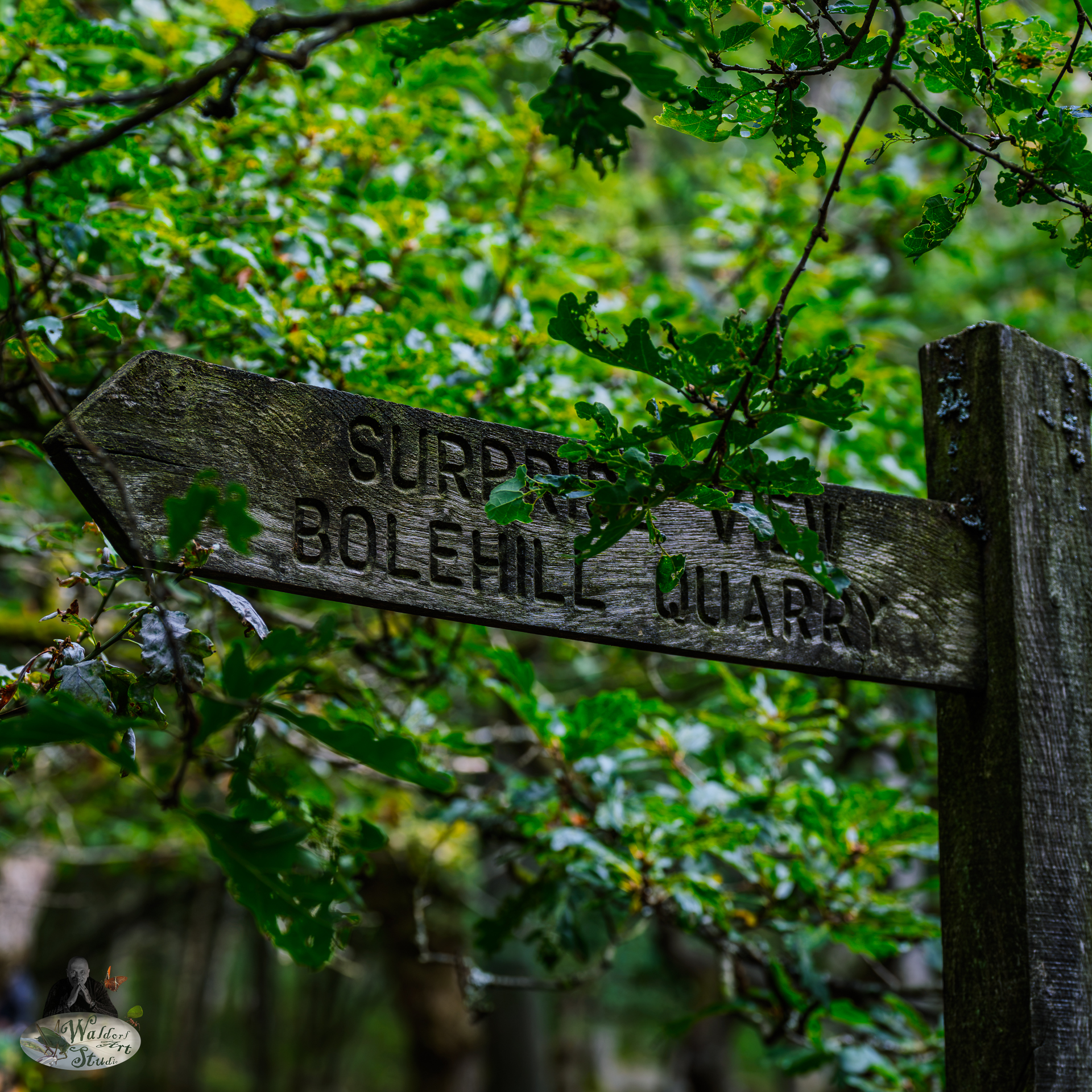
Padley Gorge in the Peak District
Where the Forest Remembers
Some forests are beautiful.
Padley Gorge in the Peak District is something else.
It makes you wonder whether you have somehow stepped into a story that began long before you arrived.
It is one of those rare places where the forest seems to have a character of its own.
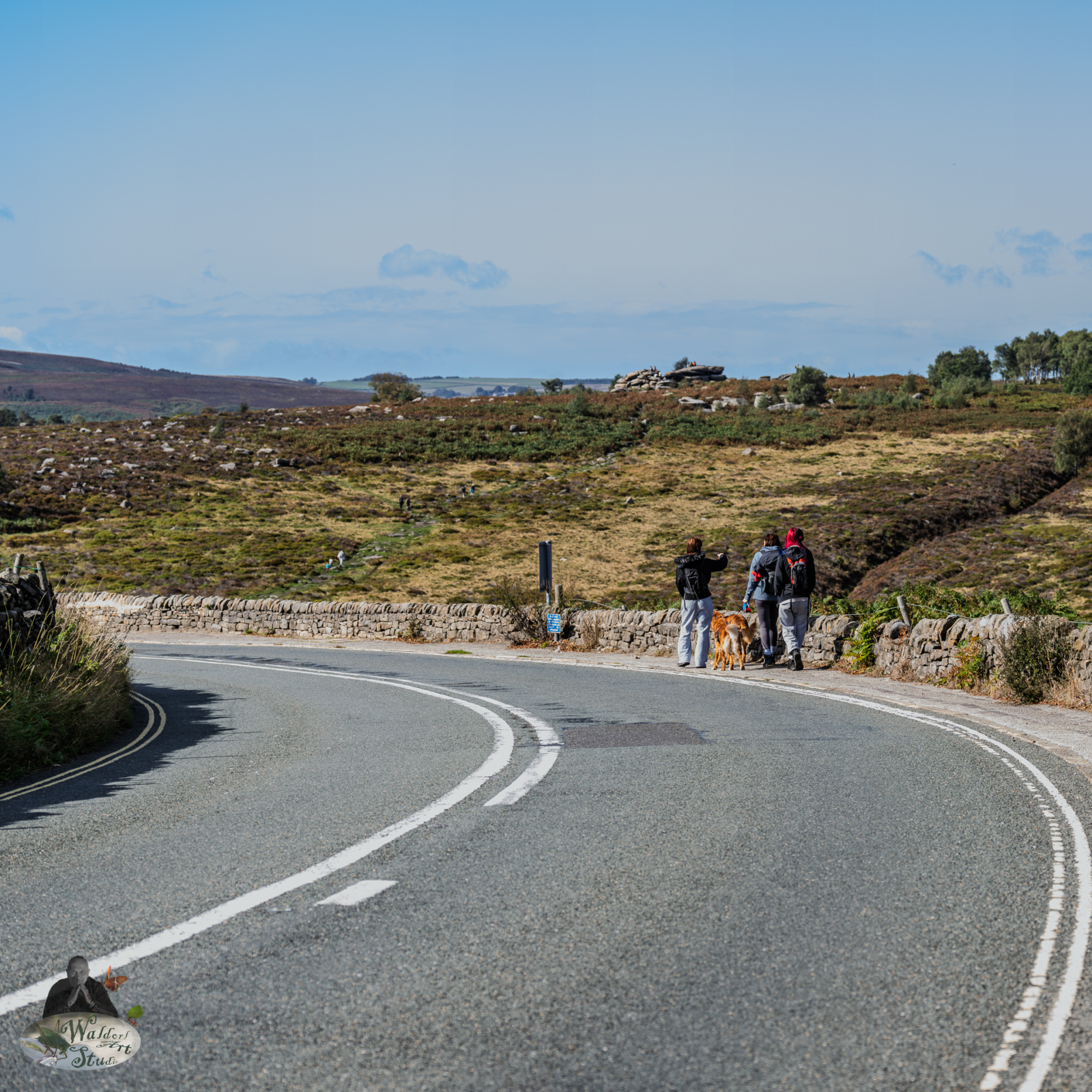
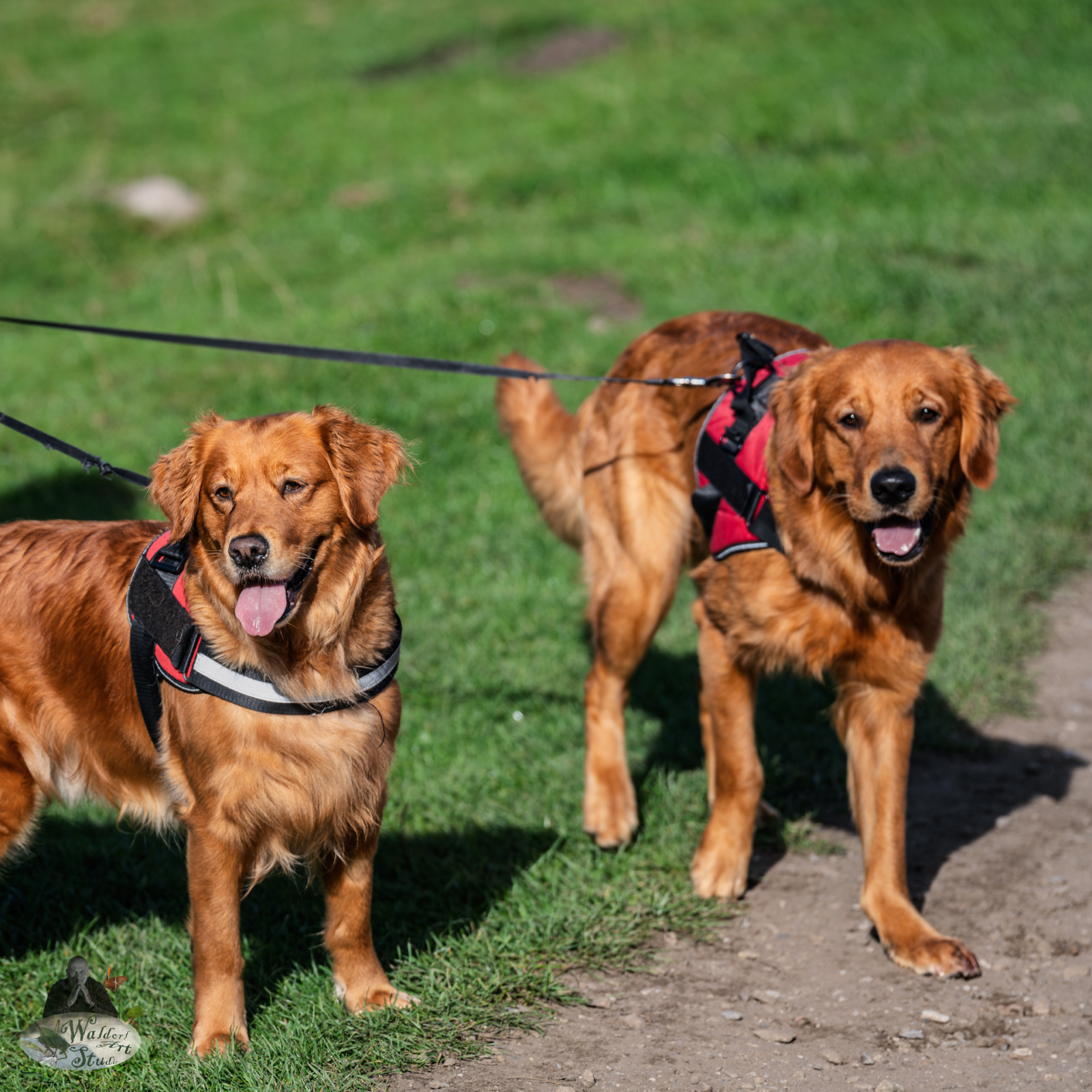
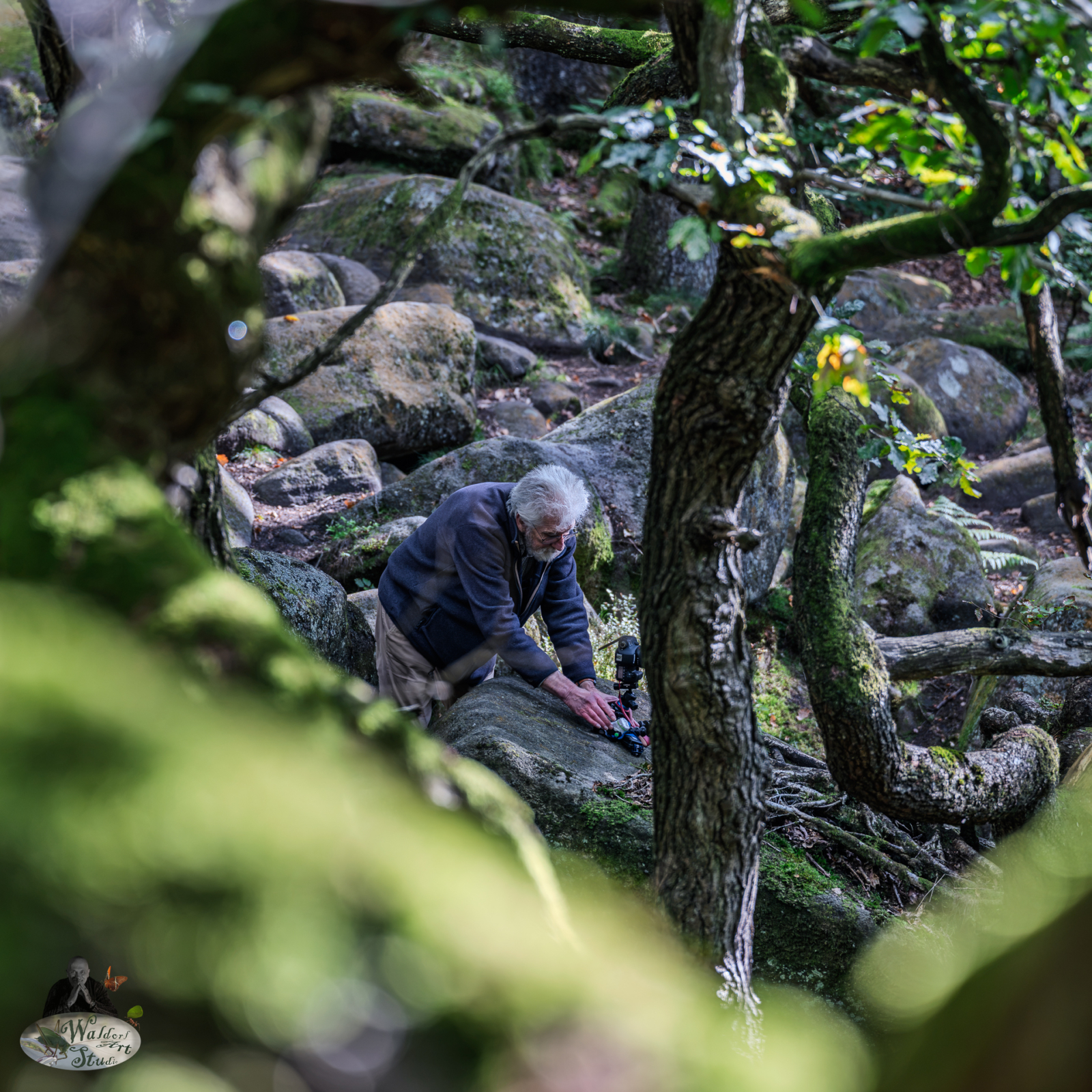
We came here as we increasingly seem to do — together, as a family, with the dogs, the cameras and no particular need to hurry.
Another small escape from everyday life. Another place on the map that we wanted to discover for ourselves.
It took only a few steps beneath the trees to realise that this walk was going to feel different.
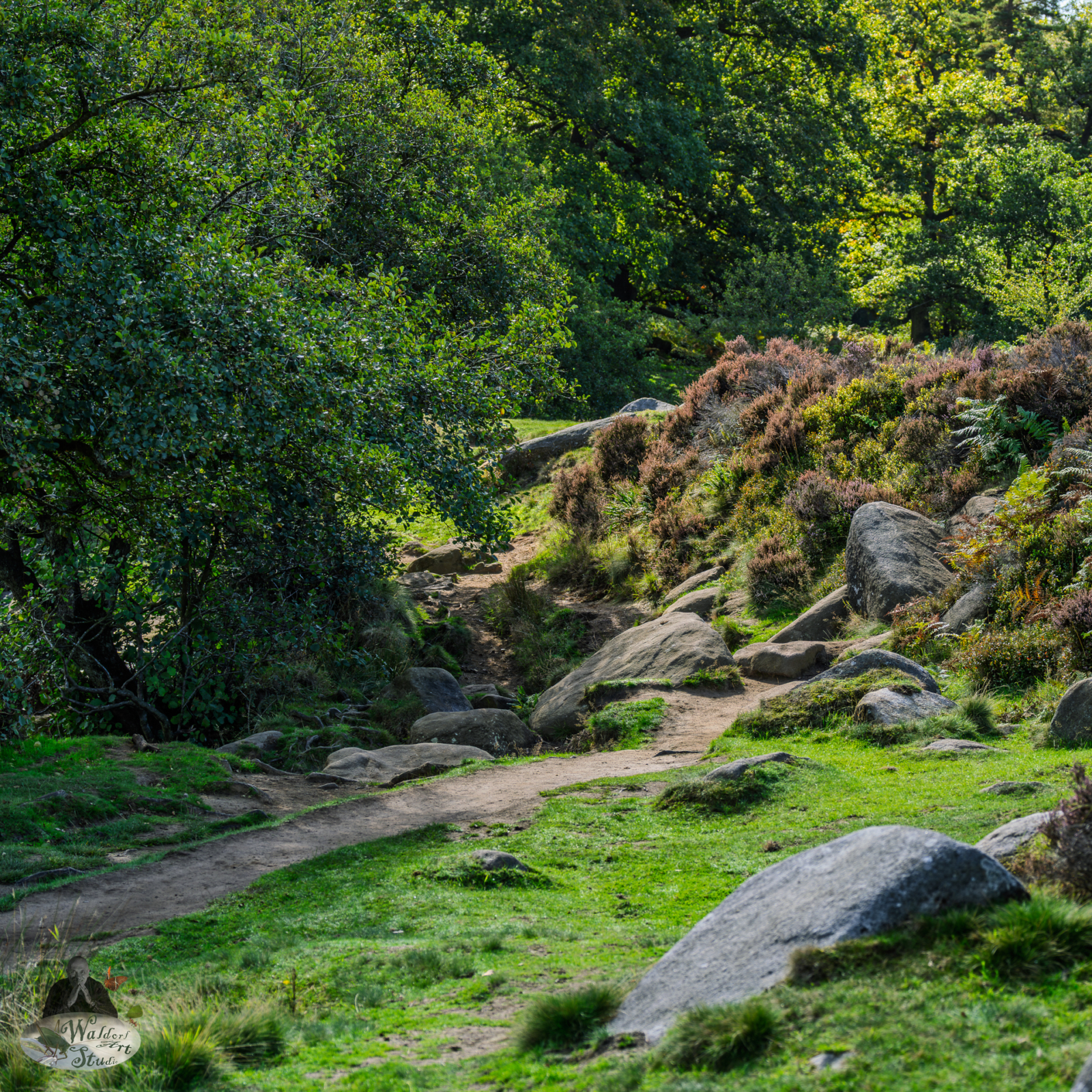
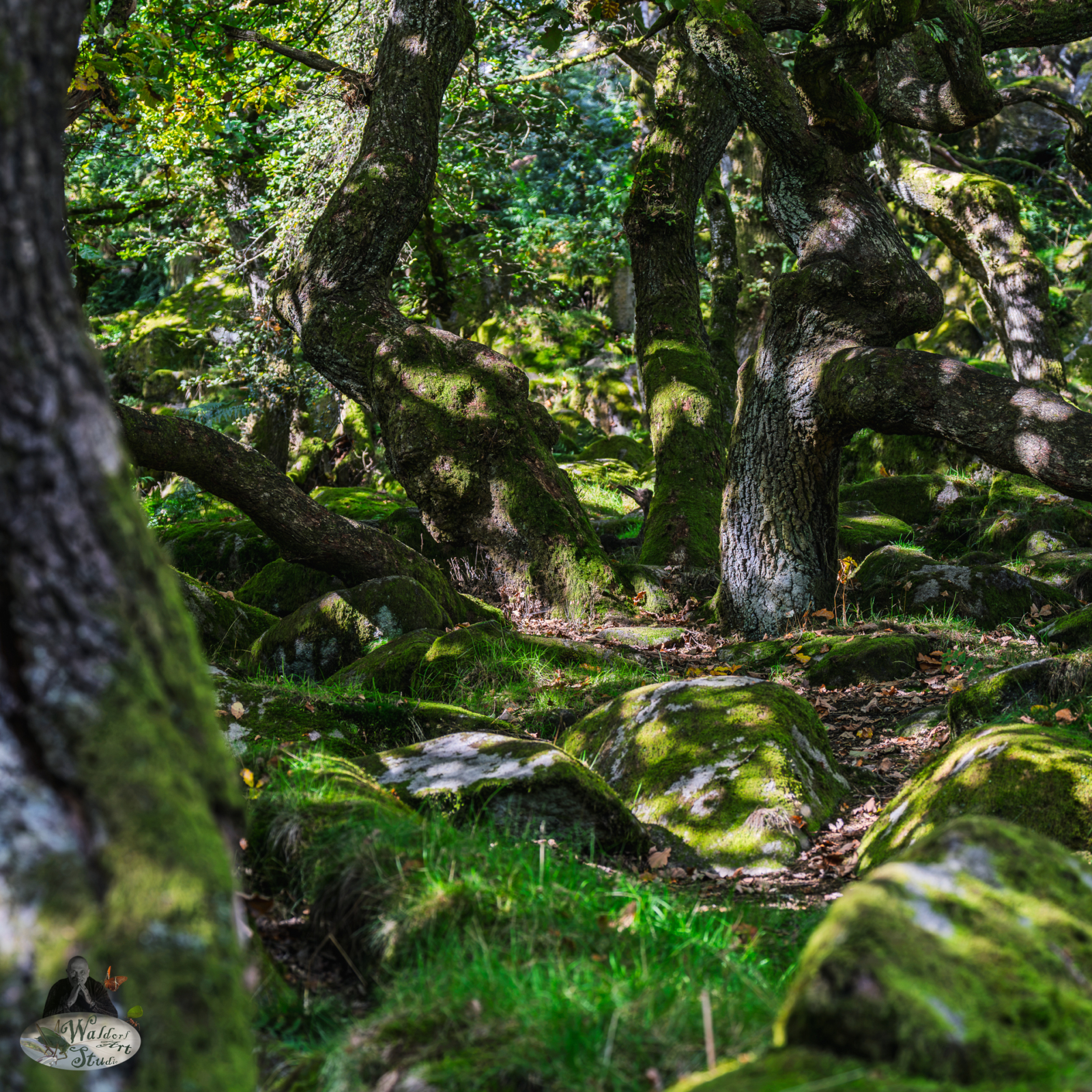
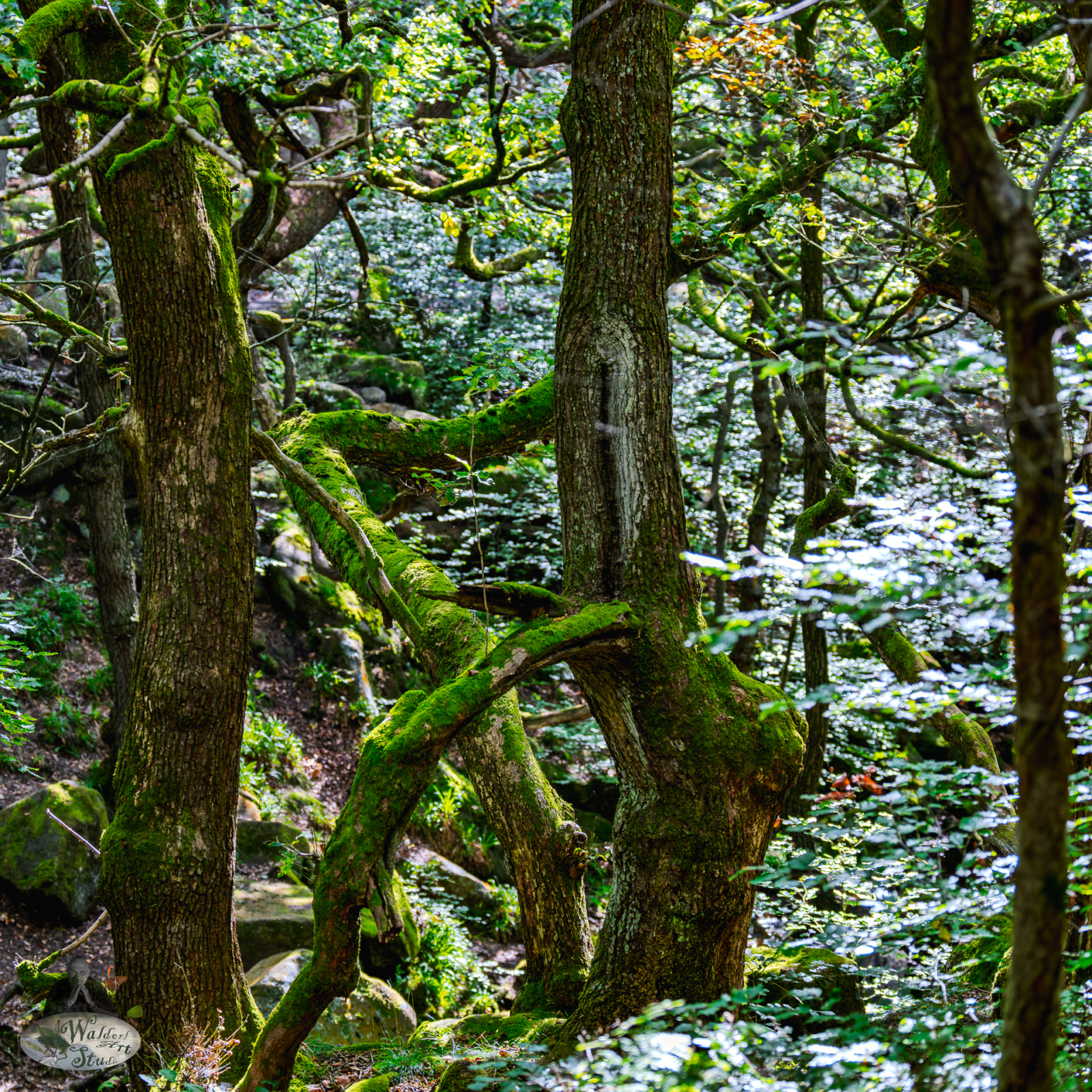
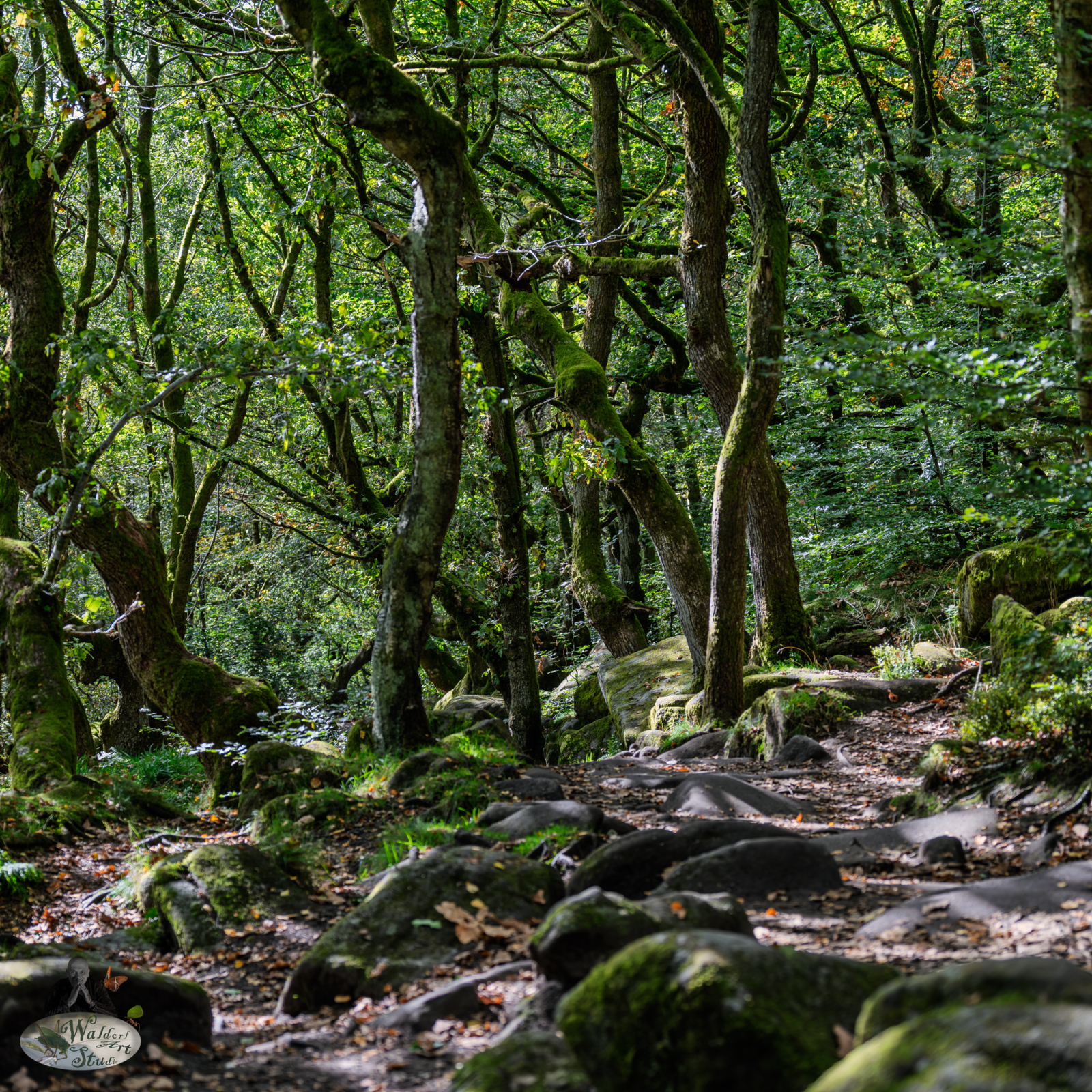
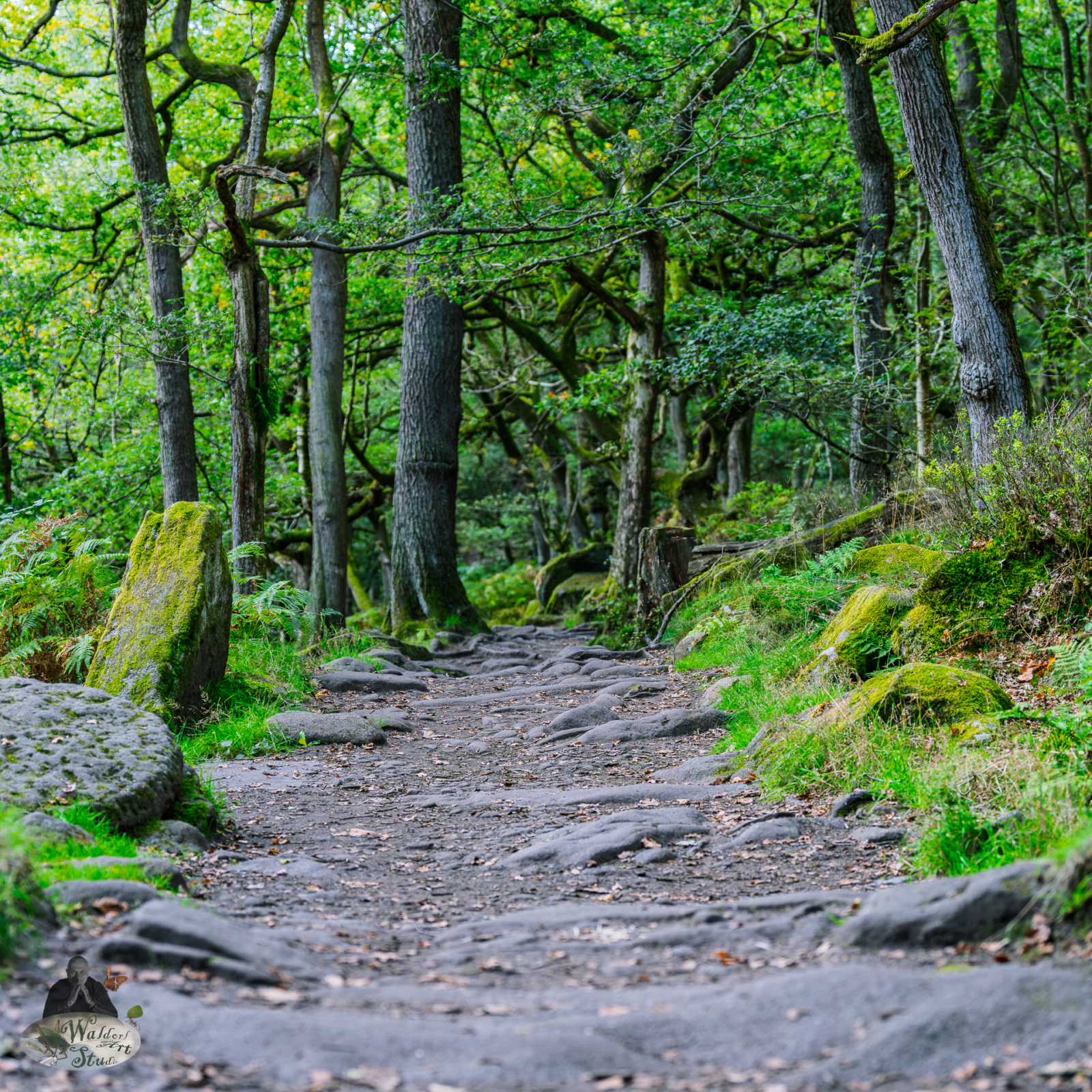
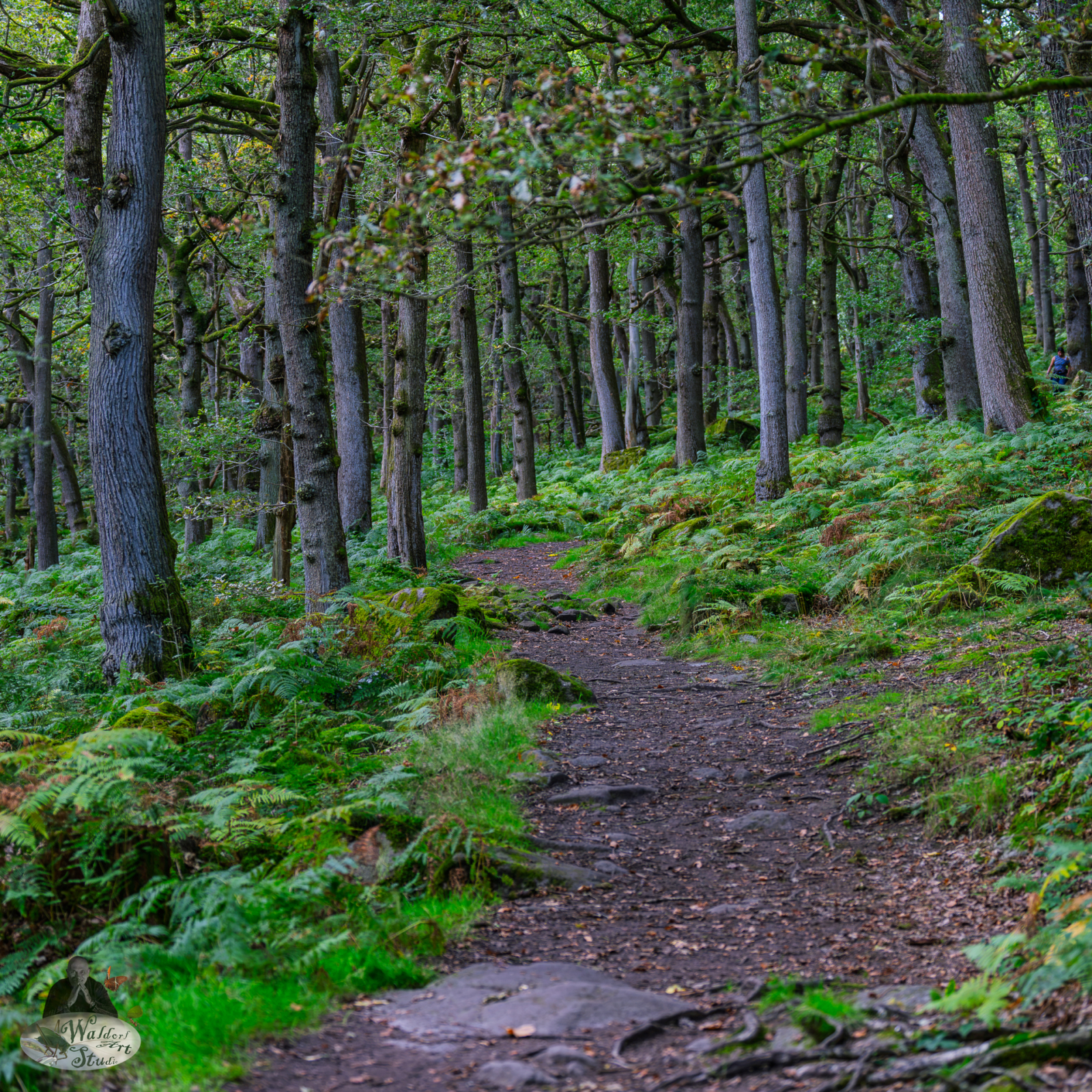
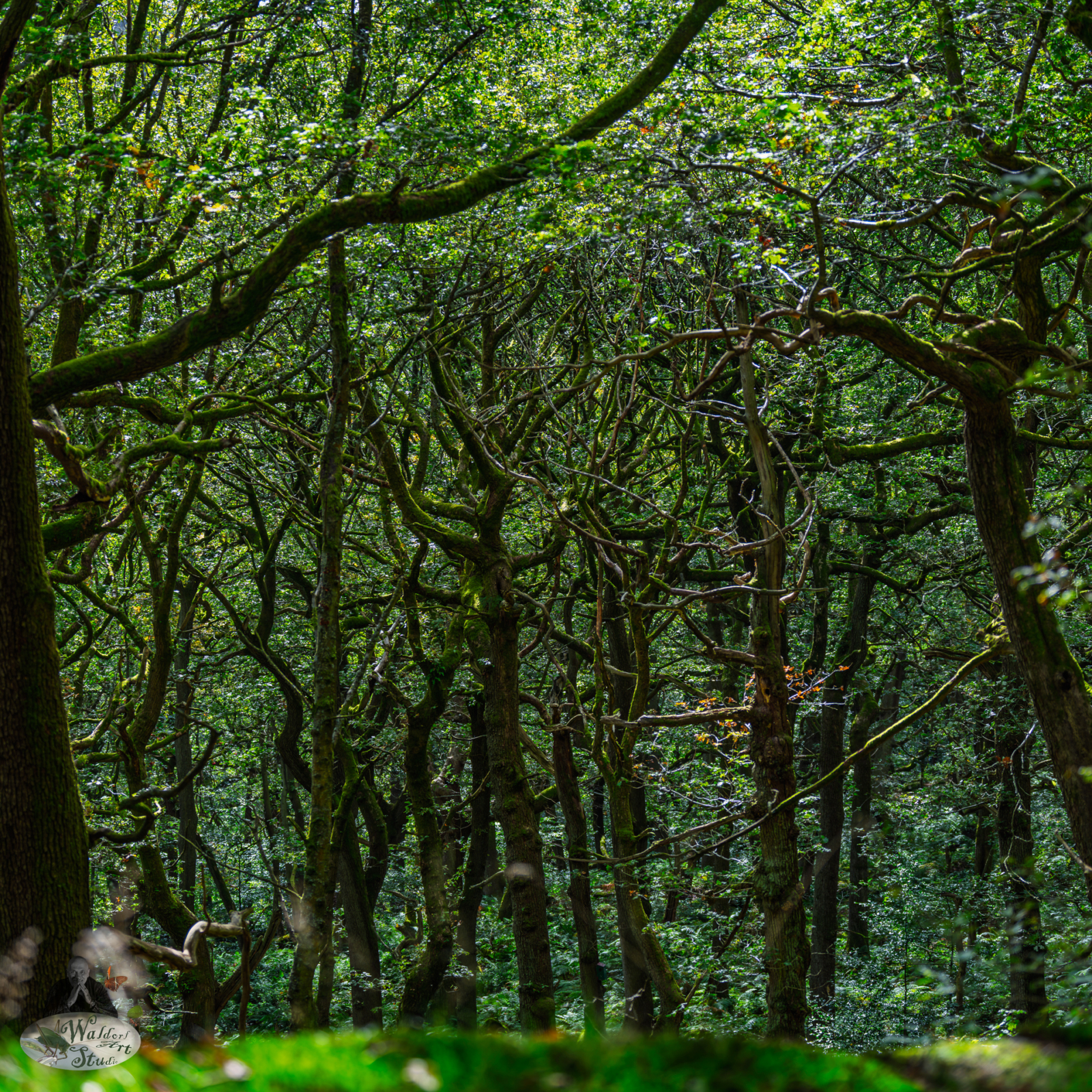
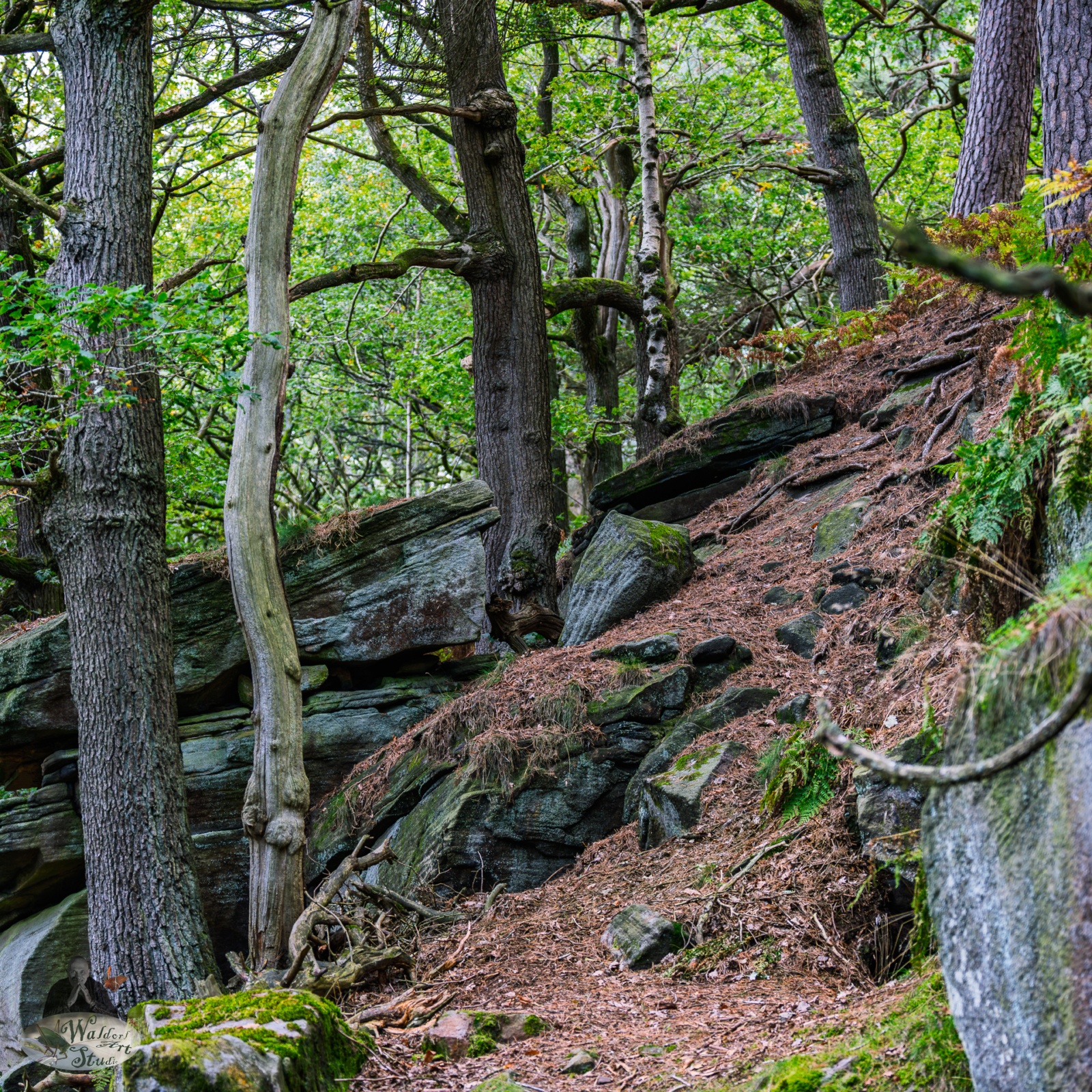
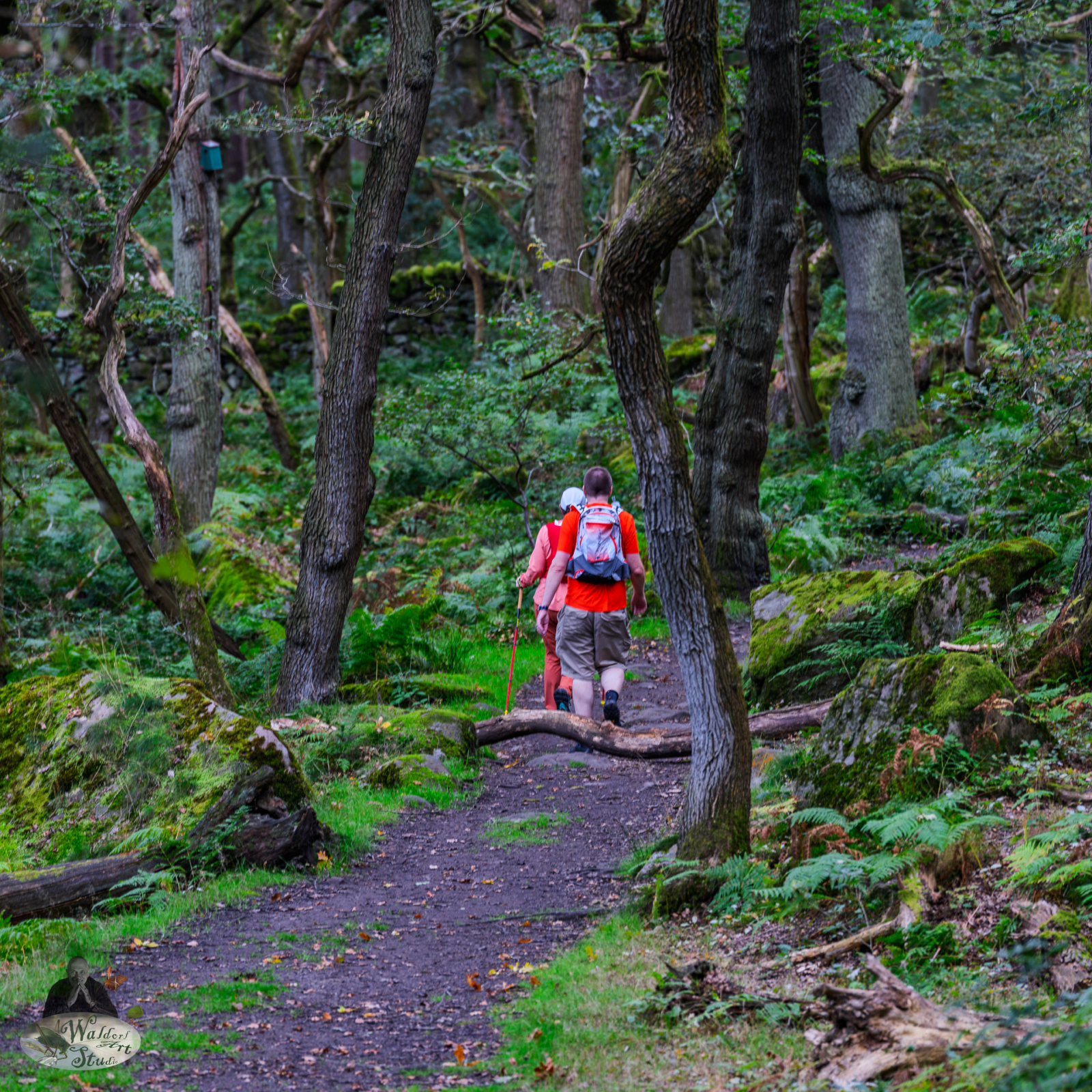
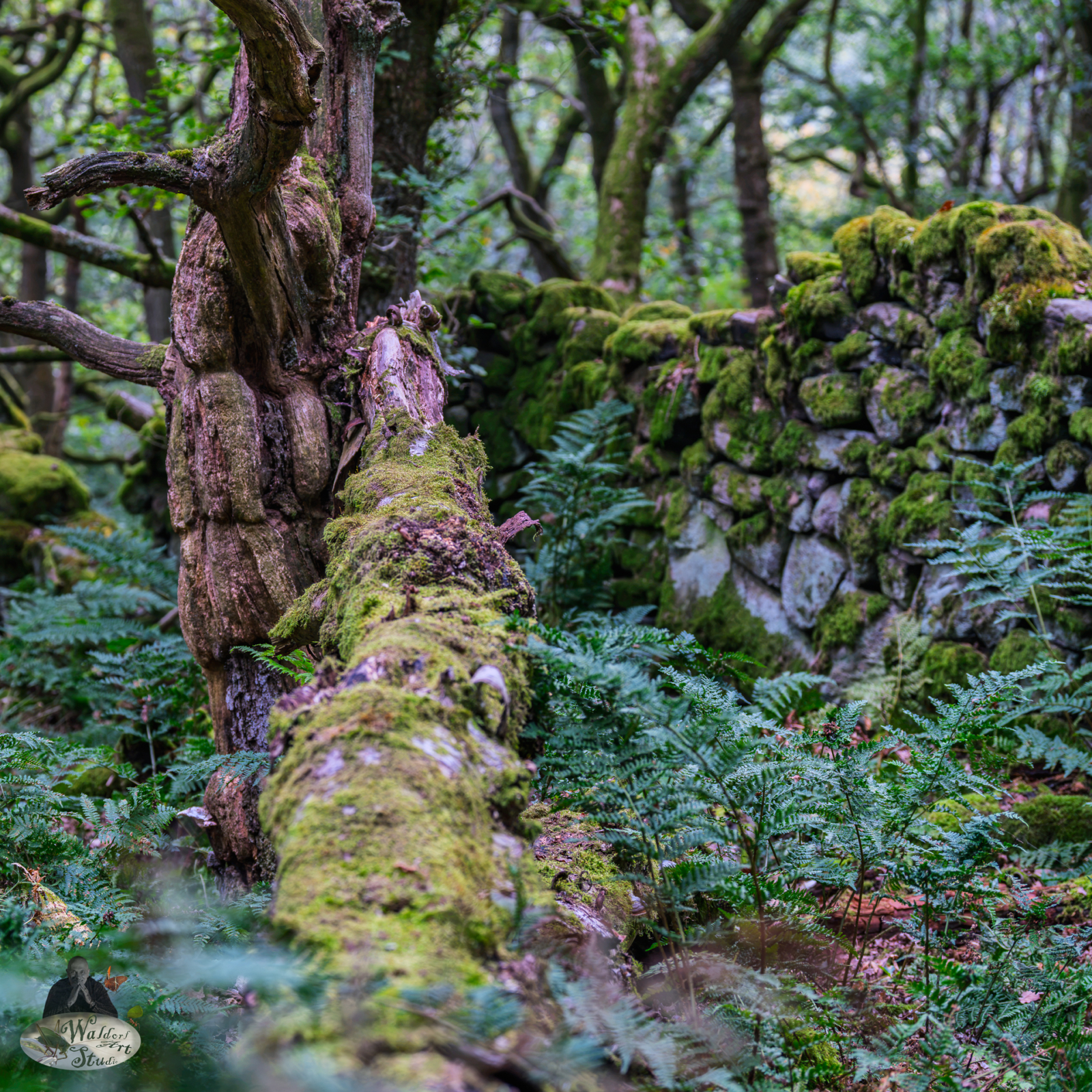
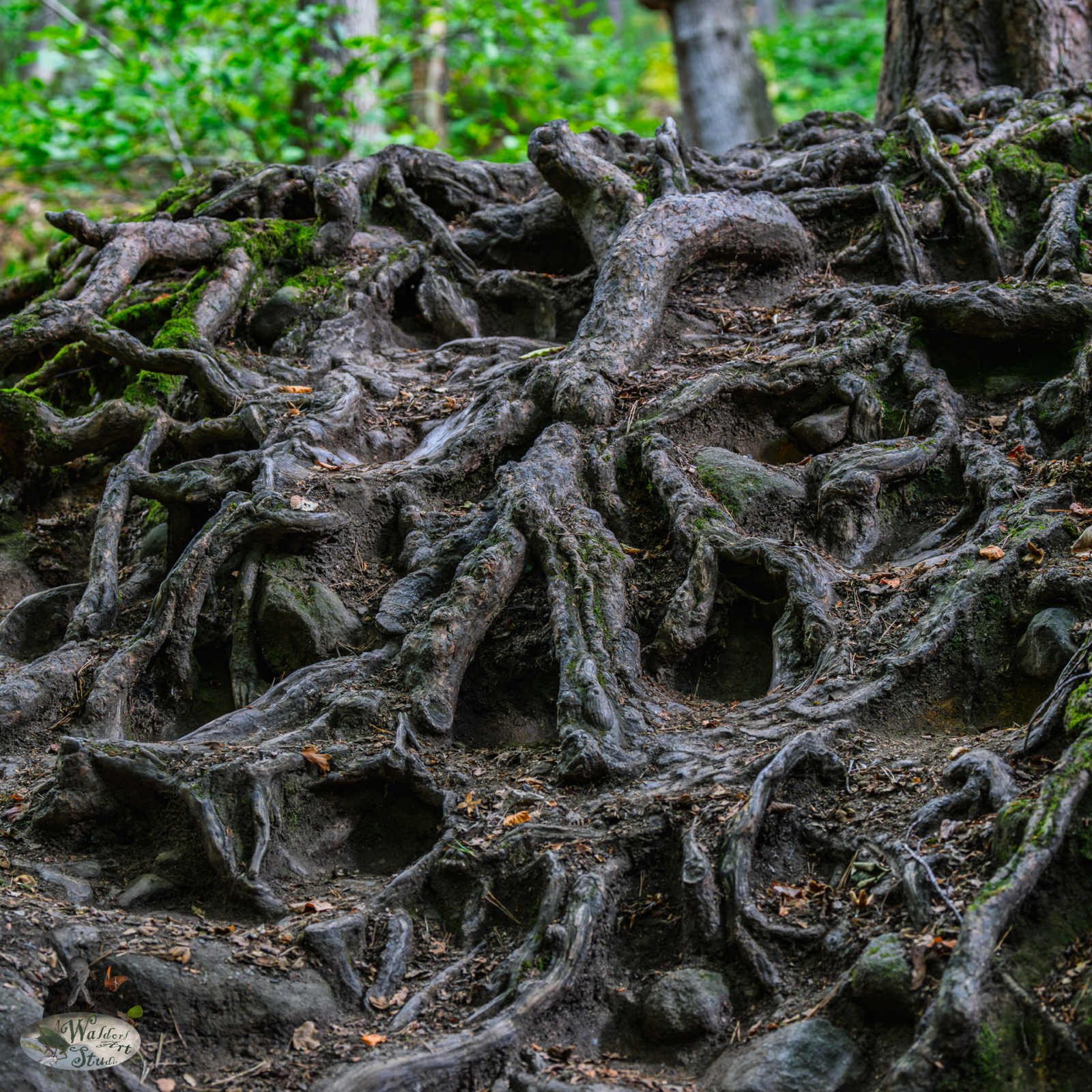
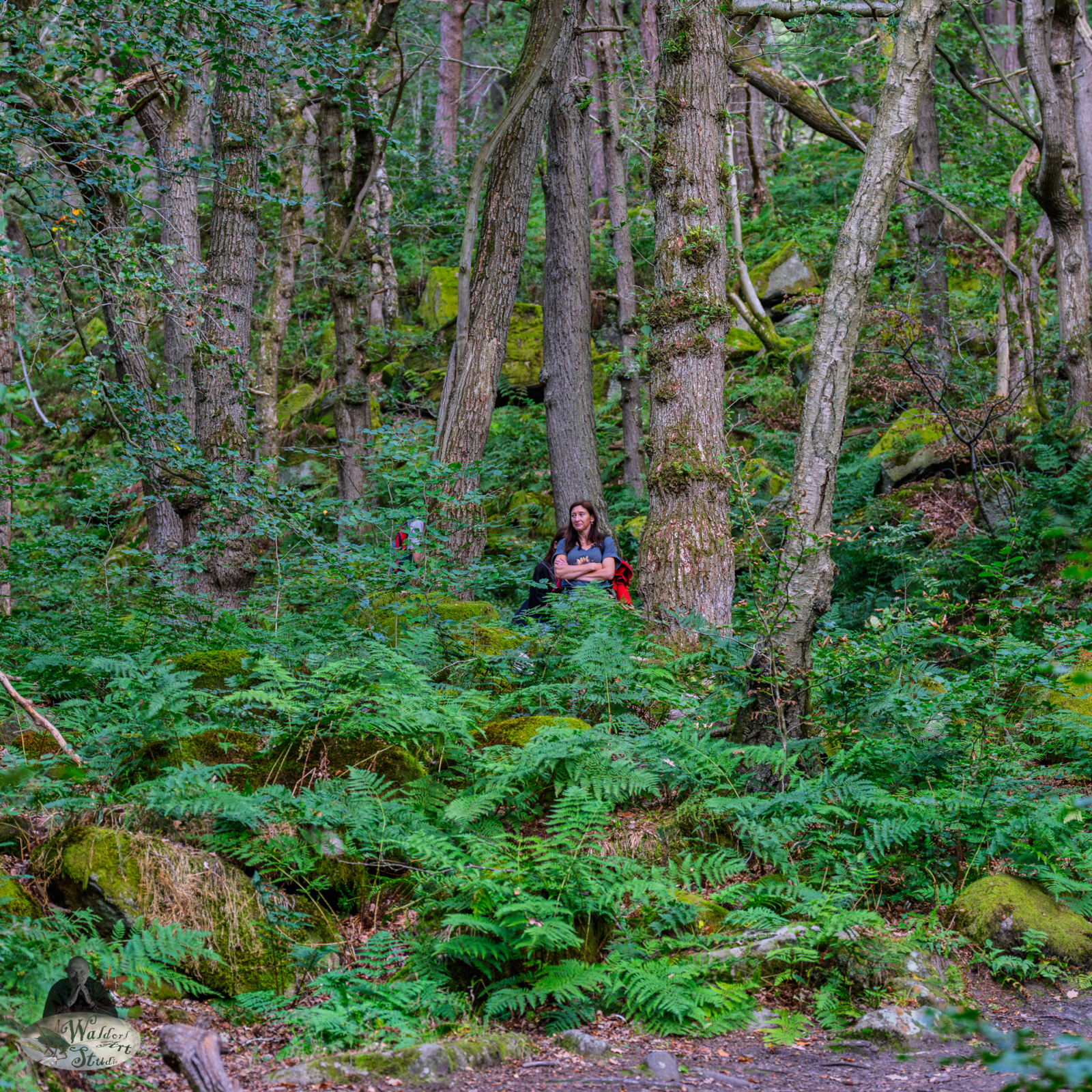
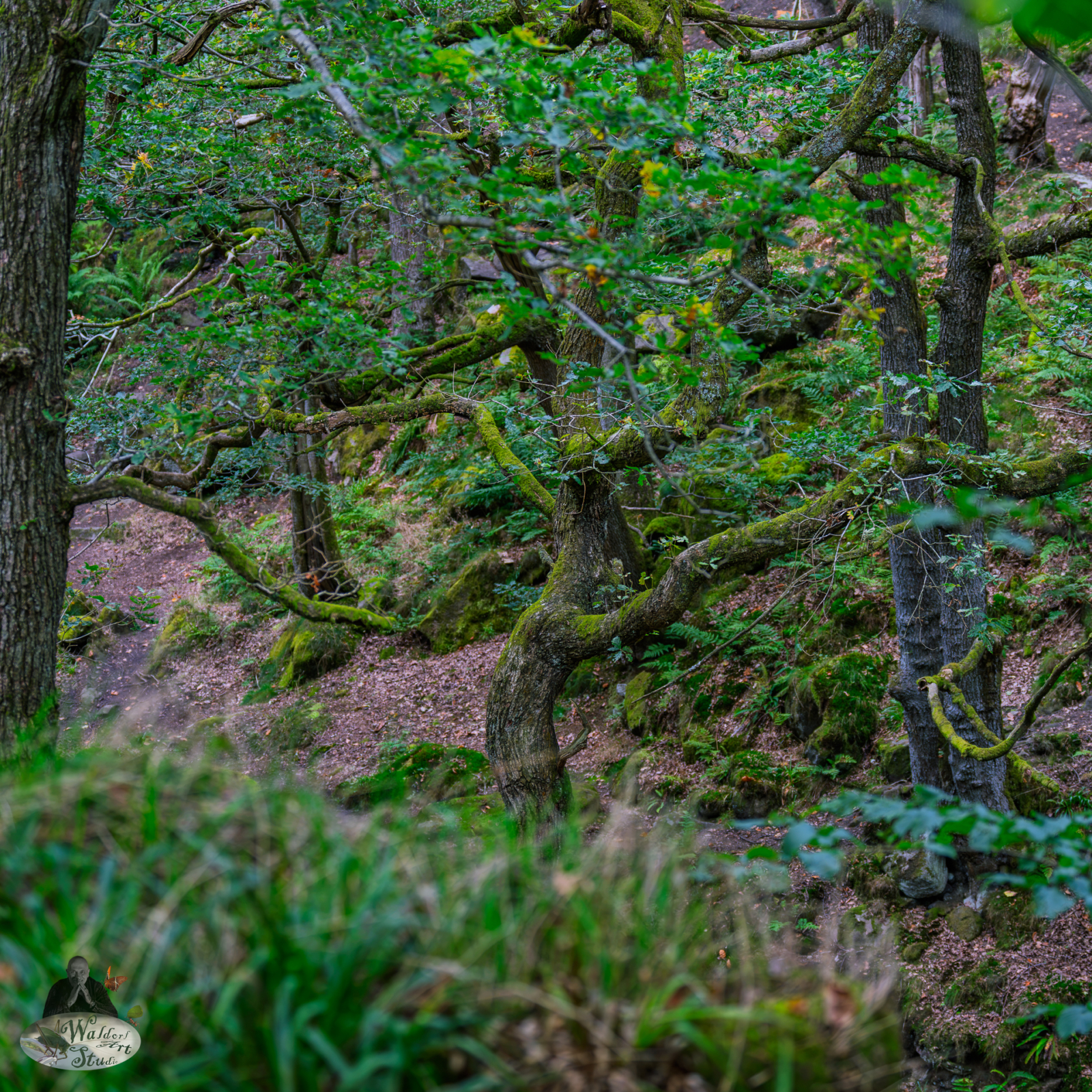
The paths disappear between ancient oaks and birches. Roots twist across the ground like veins.
Branches bend into shapes that seem almost impossible, covered in moss and softened by years of rain.
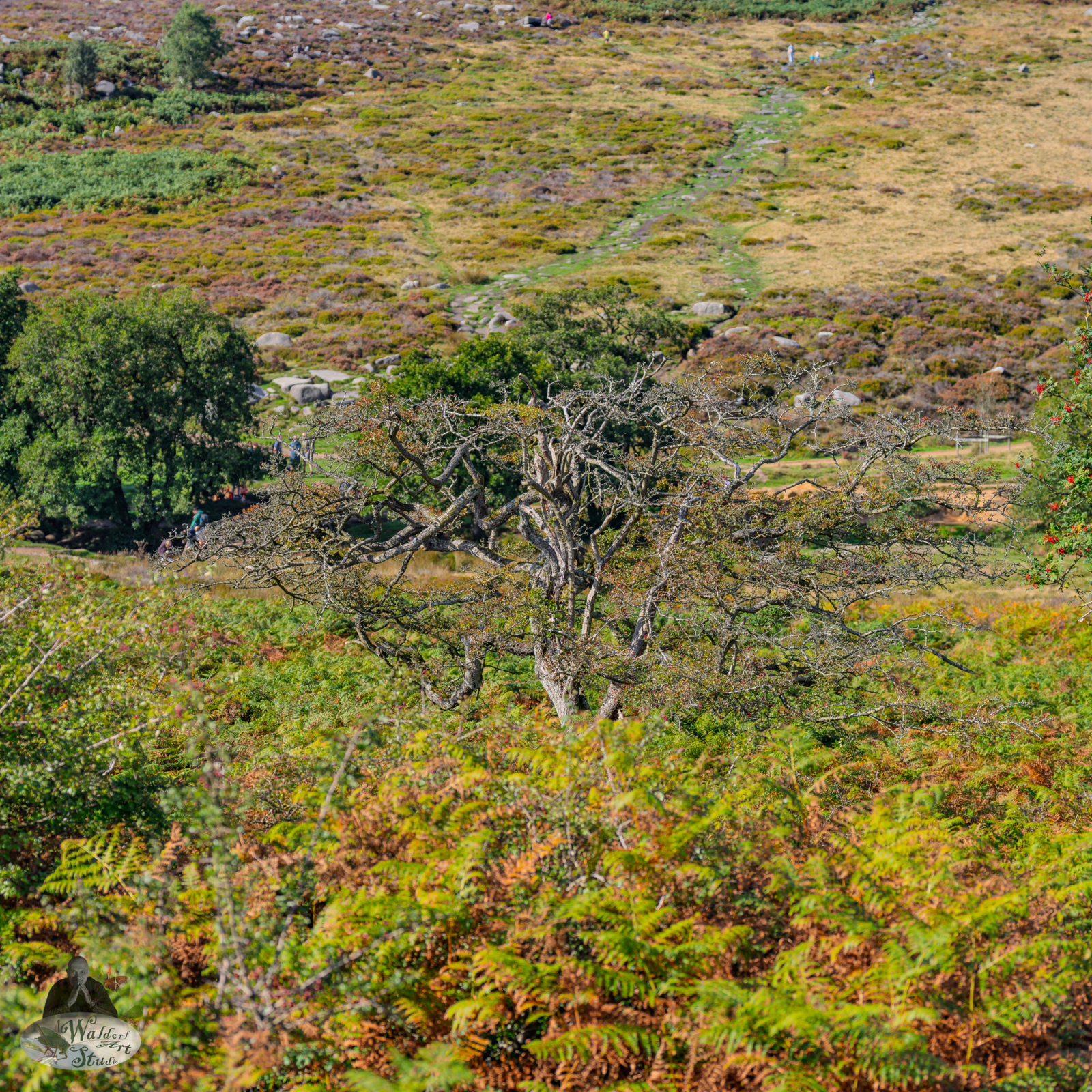
Some of the trees look less as though they have simply grown and more as though they have spent centuries slowly shaping themselves around the landscape.
And, in a way, they have.
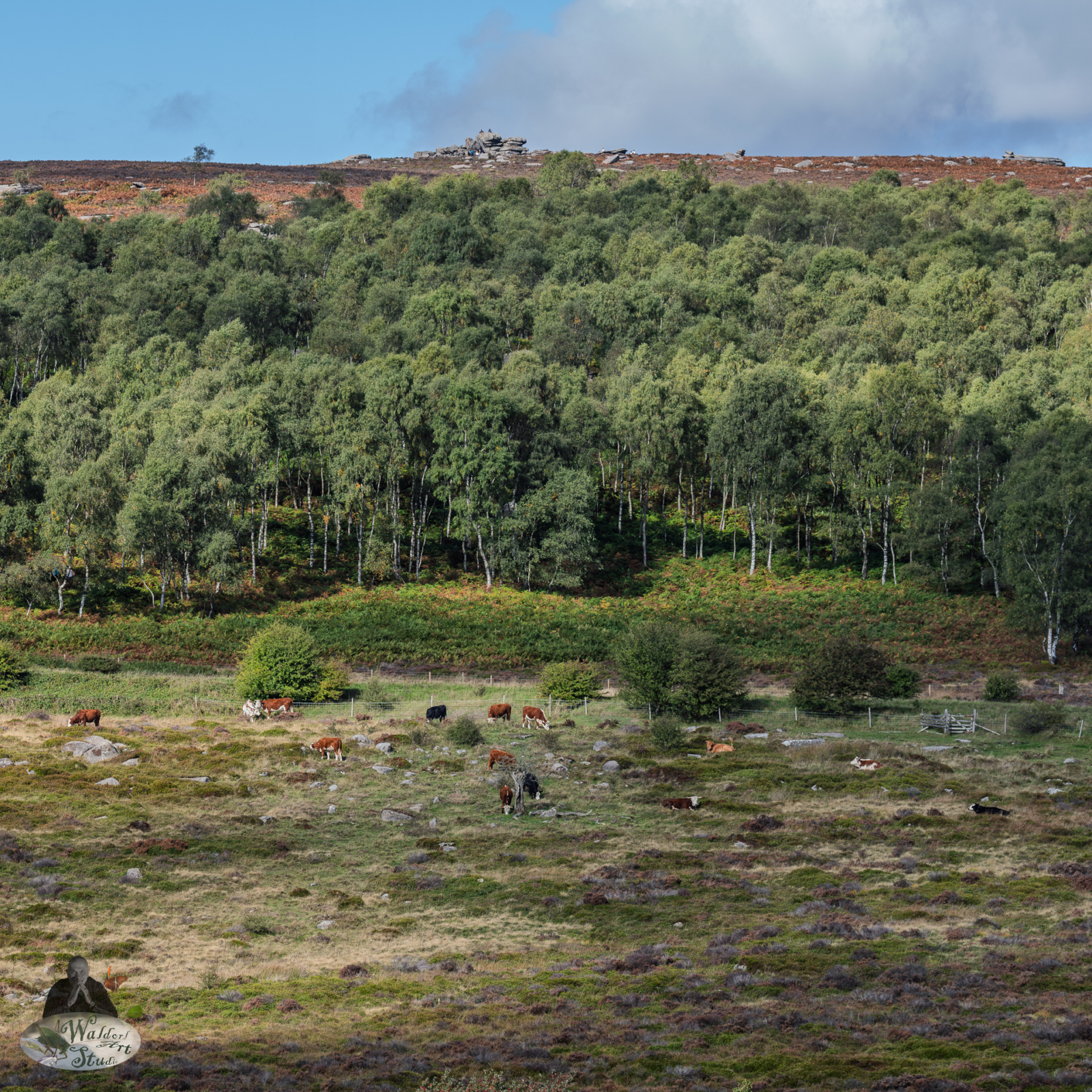
Padley Gorge is home to ancient sessile oak and birch woodland, one of the finest surviving examples of the type of woodland that once covered much of the Peak District.
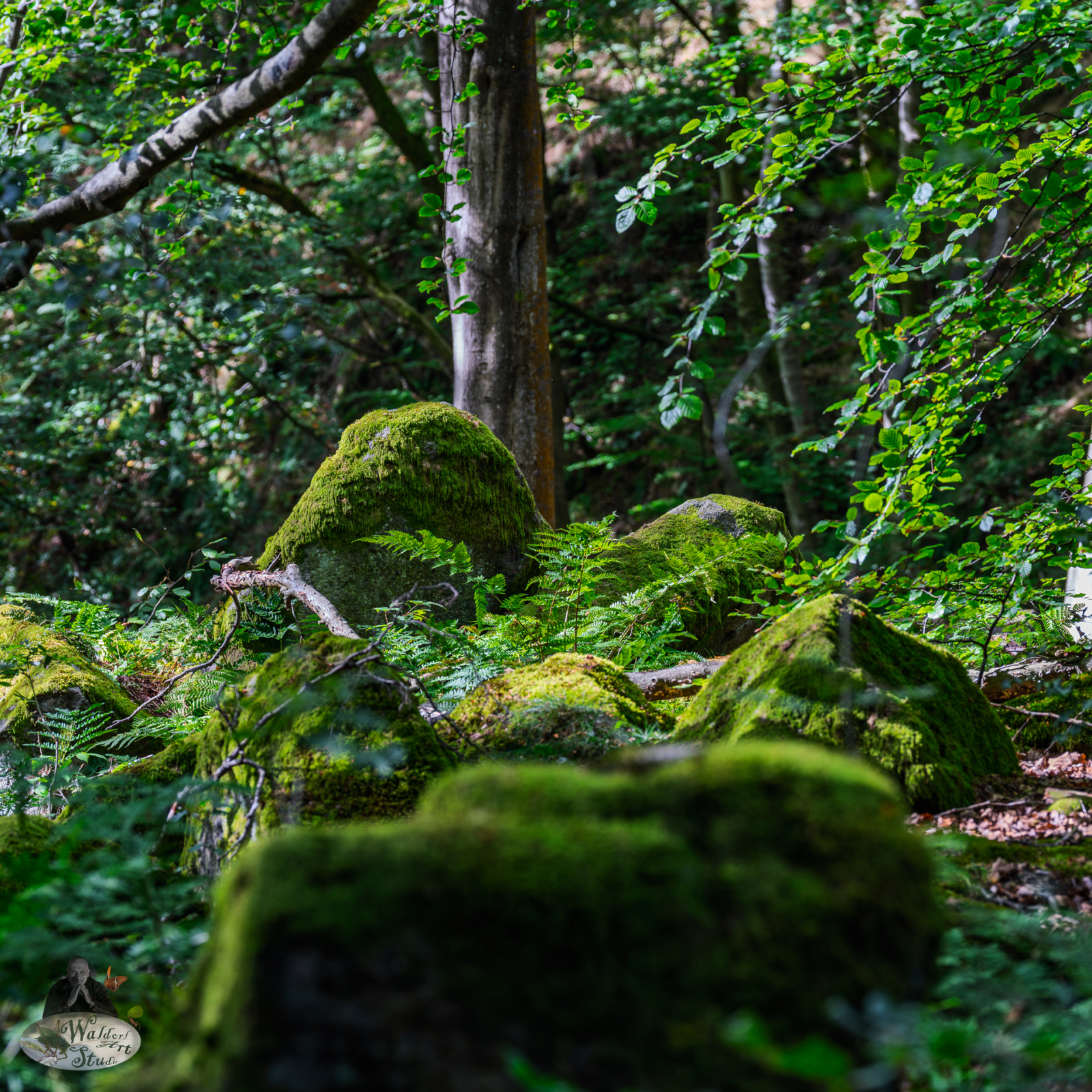
Many of its gnarled oaks are considerably older than their modest size suggests; their roots must find their way between the gritstone boulders scattered throughout the ground.
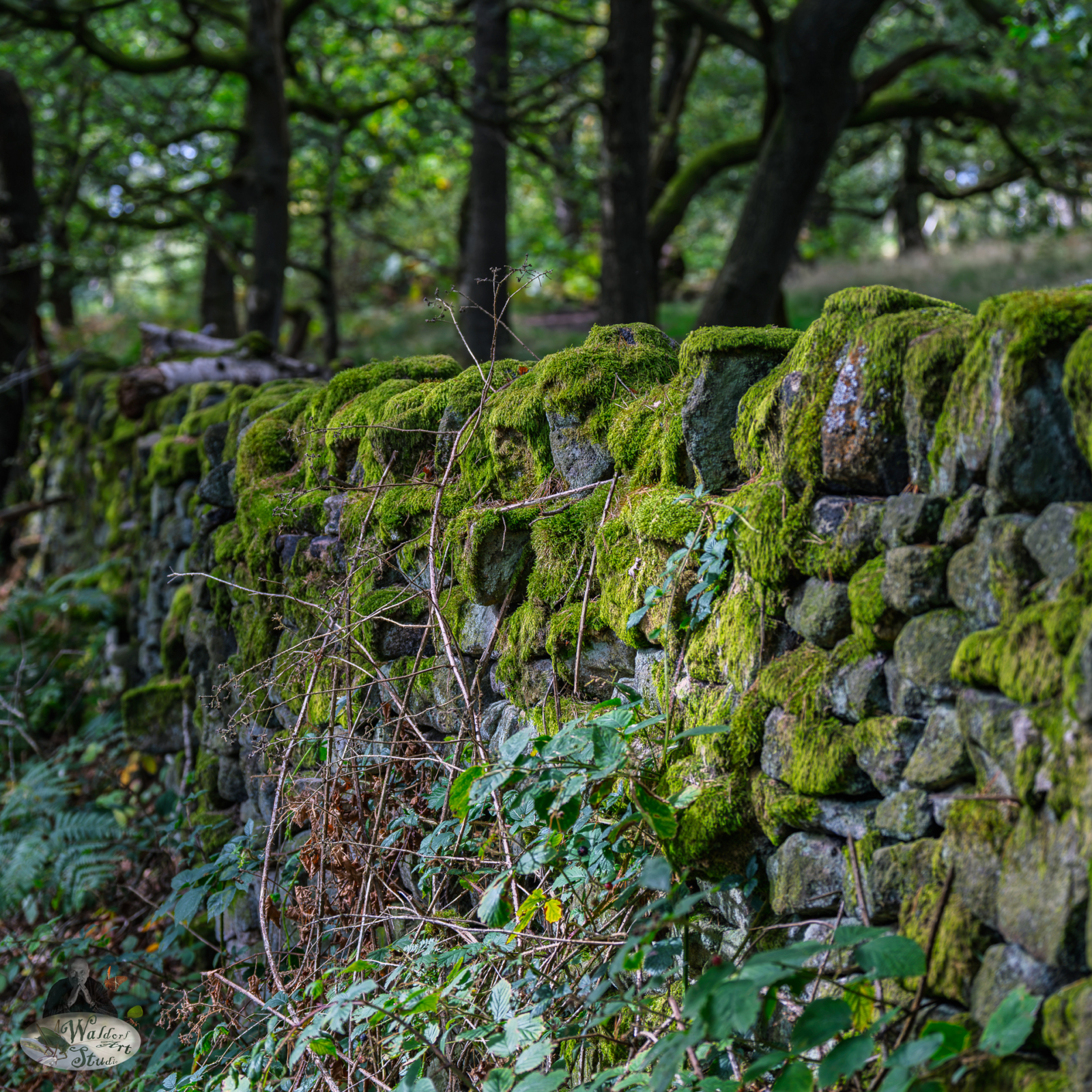
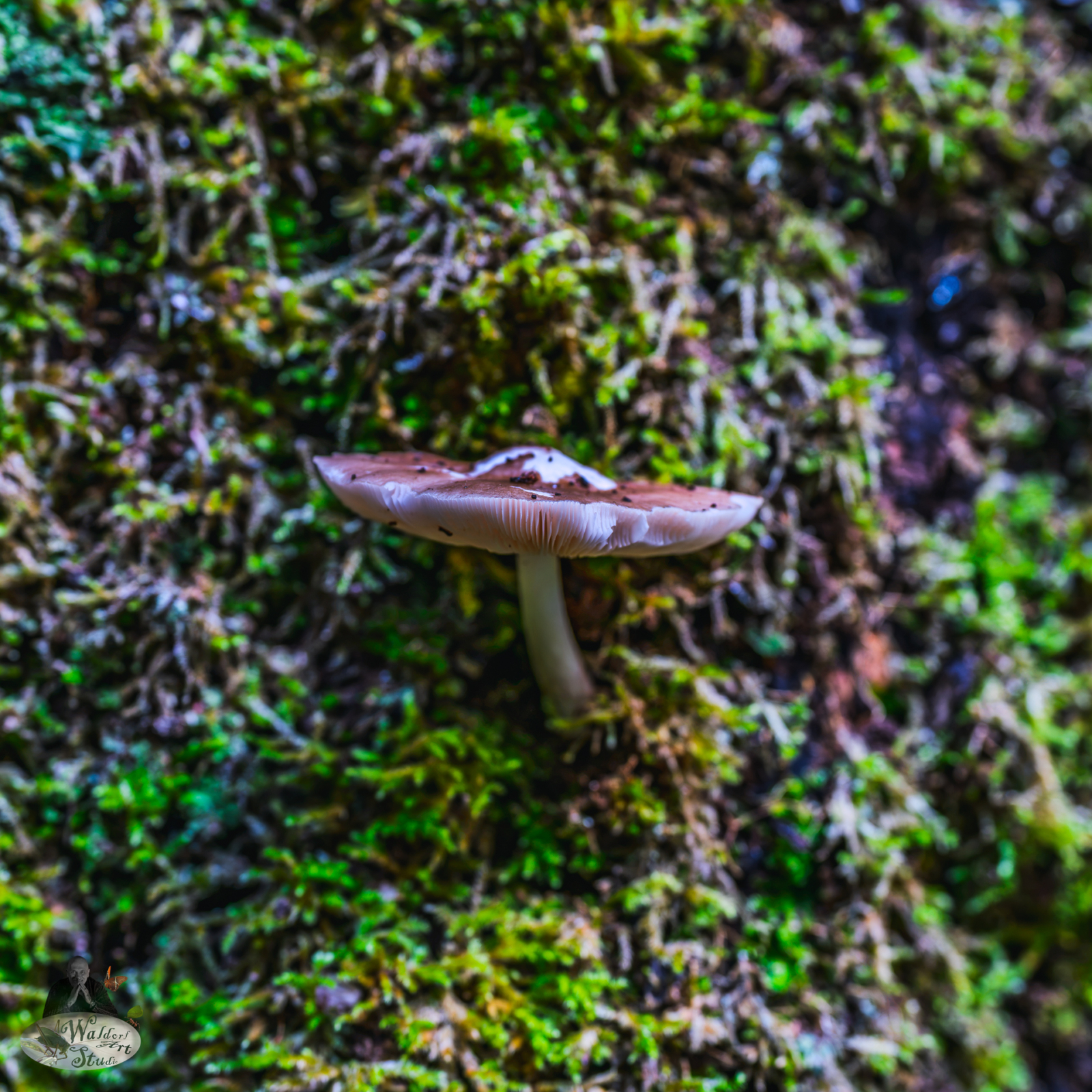
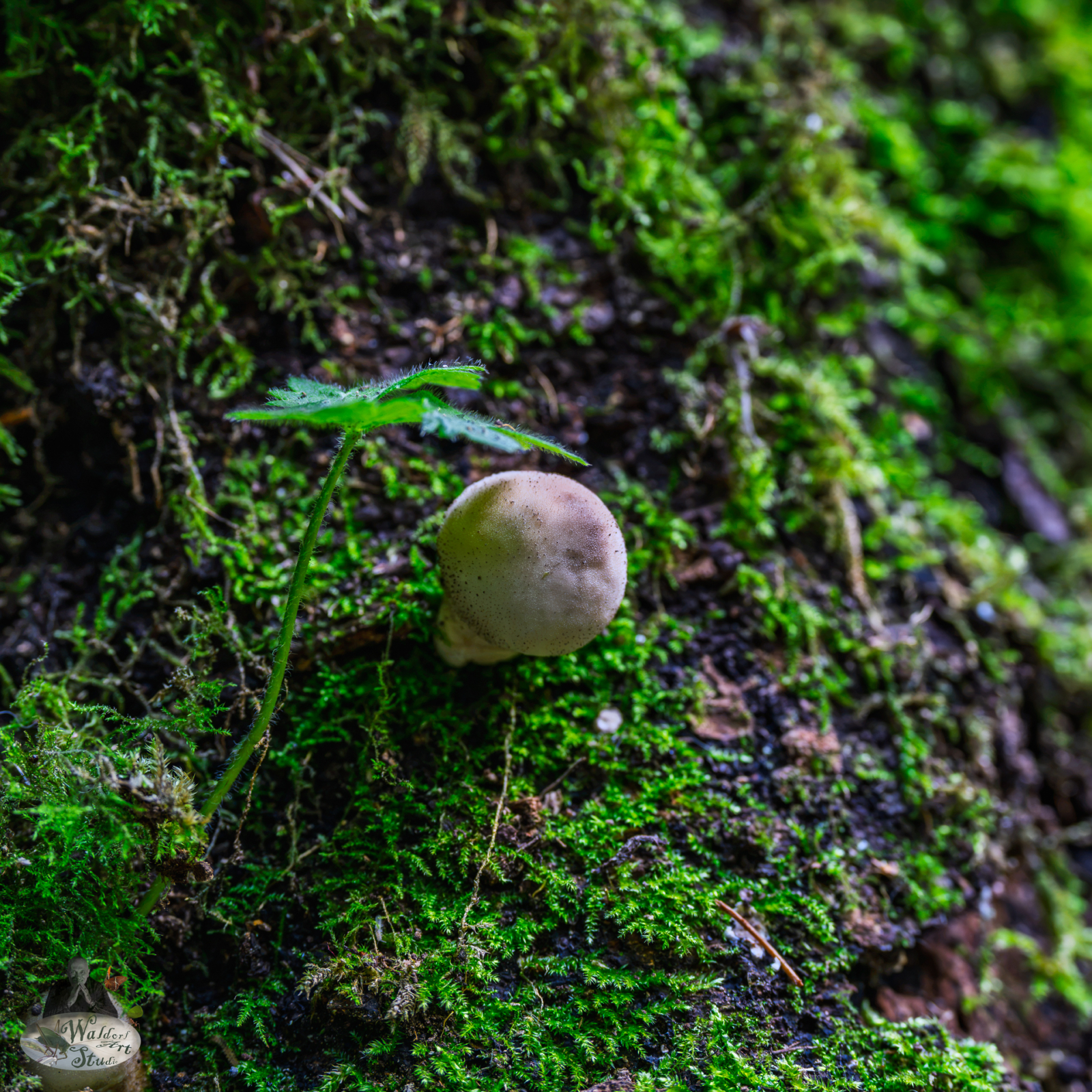
Around them, mosses, ferns and fungi have created a world in which almost every surface seems alive.
And then there is the water.
Following Burbage Brook through Padley Gorge
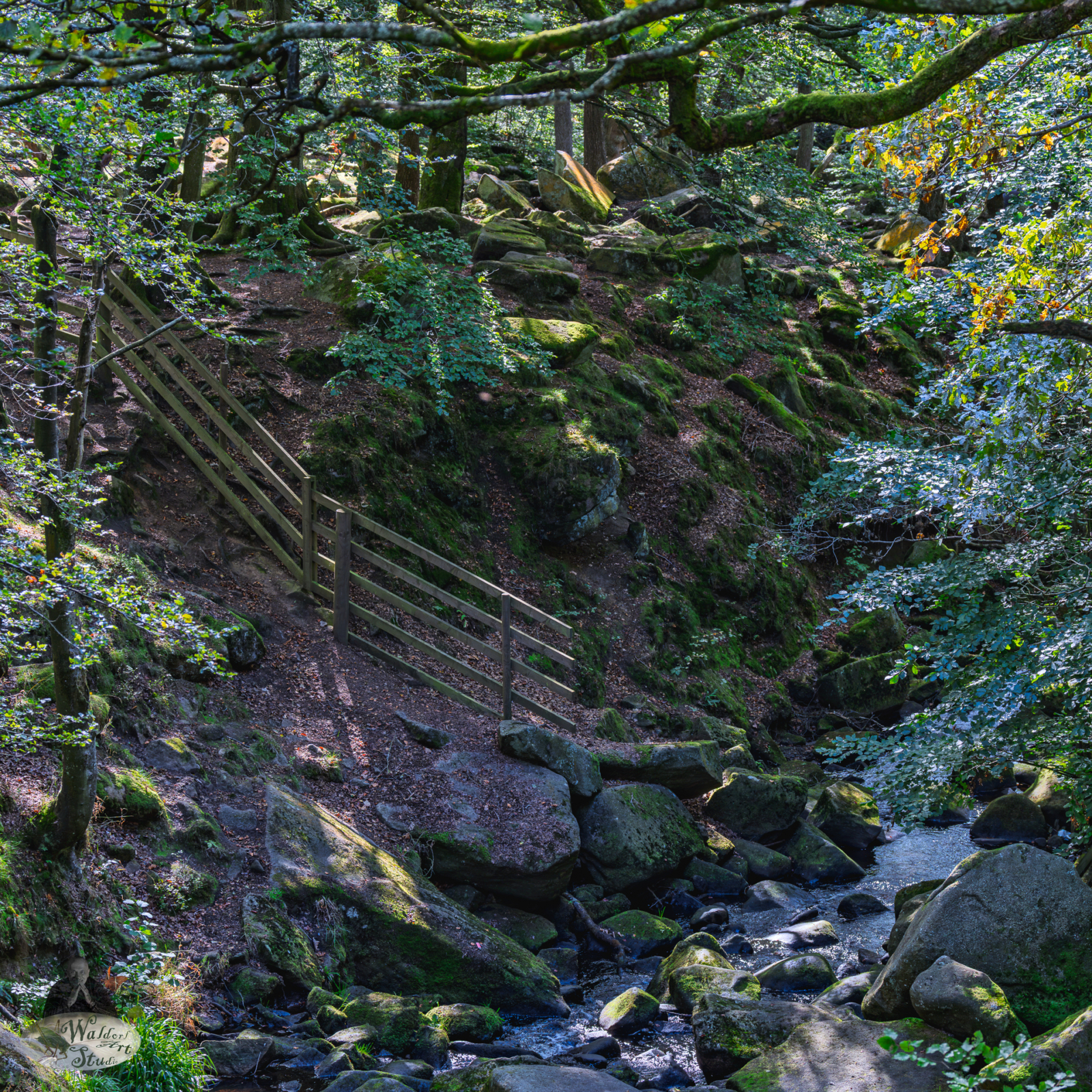
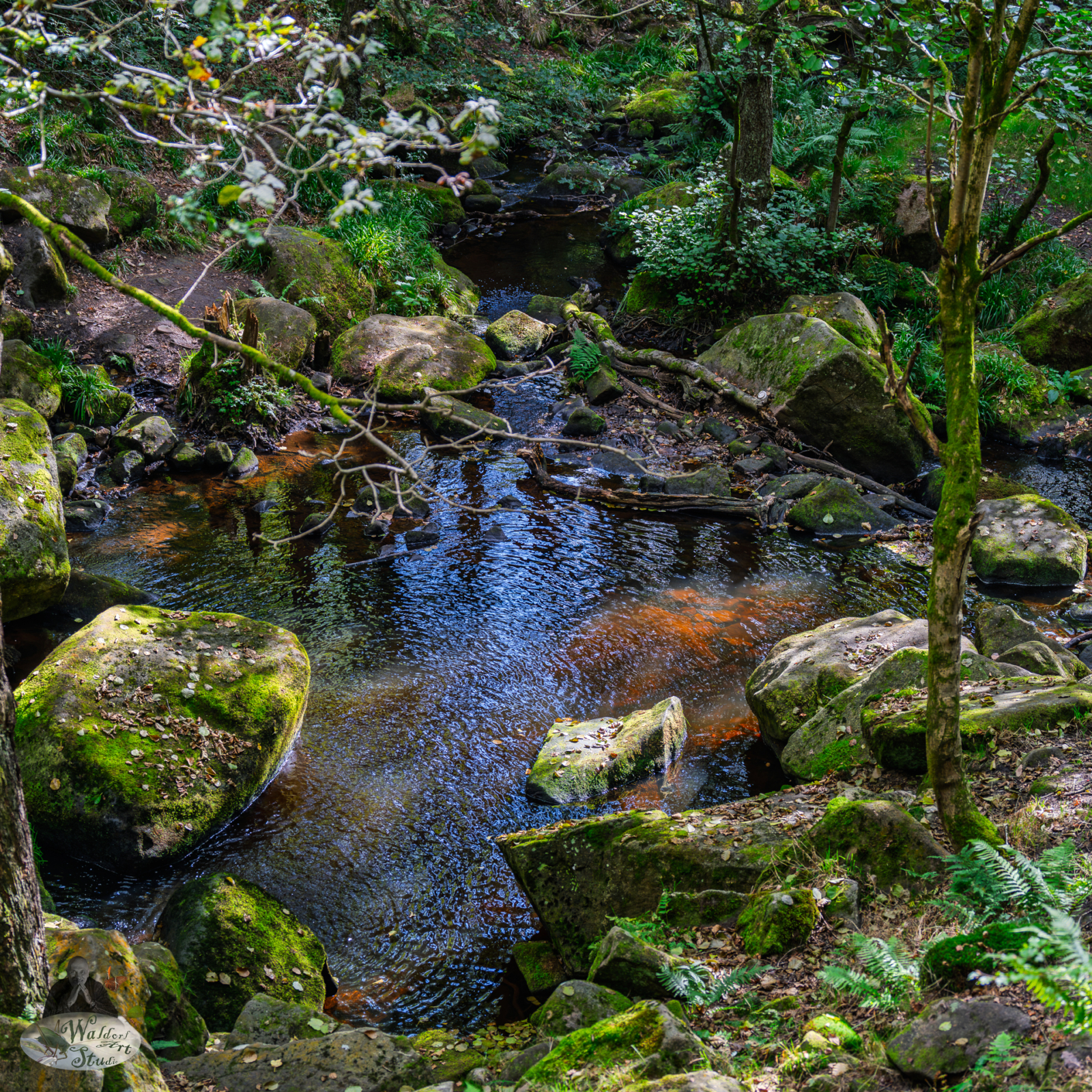
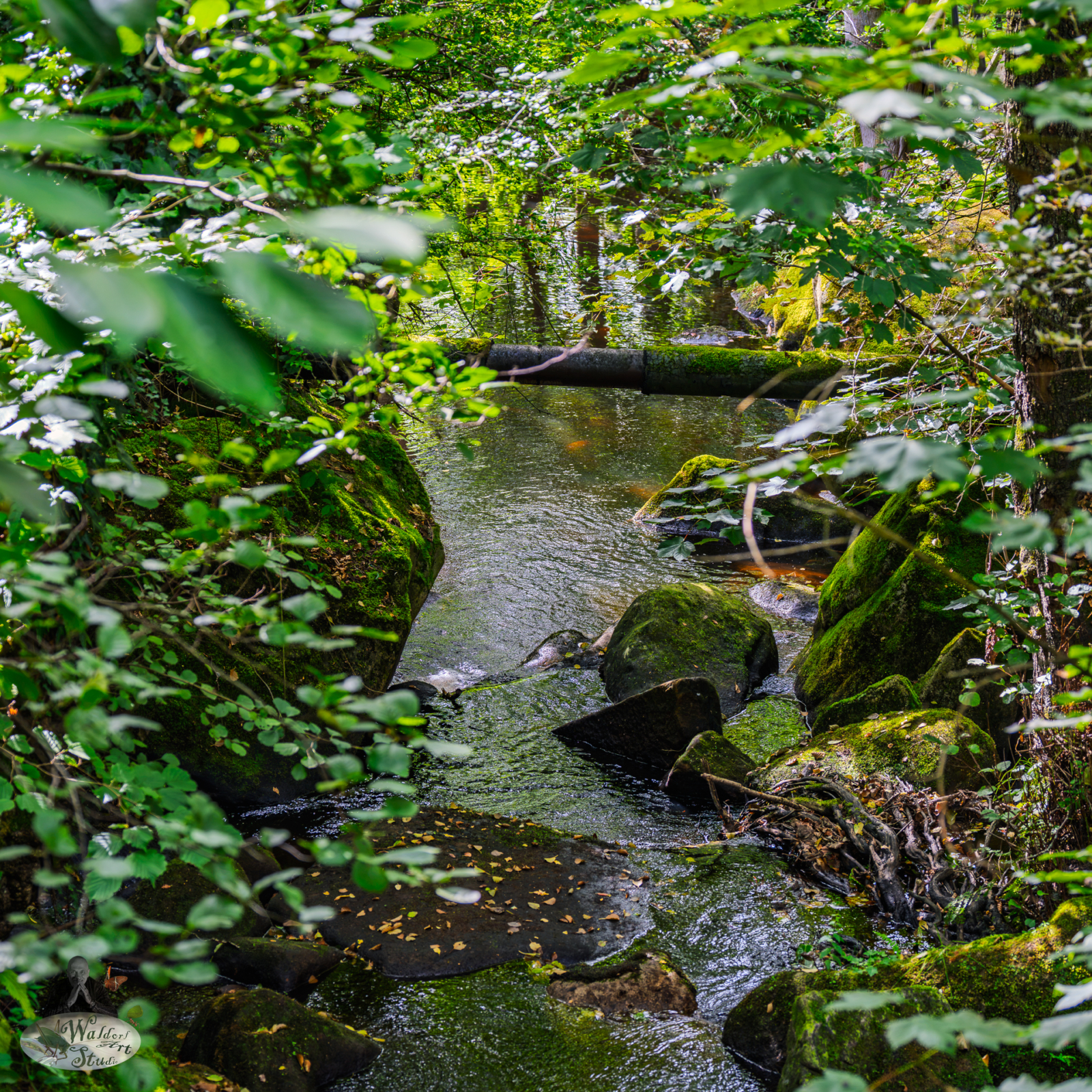
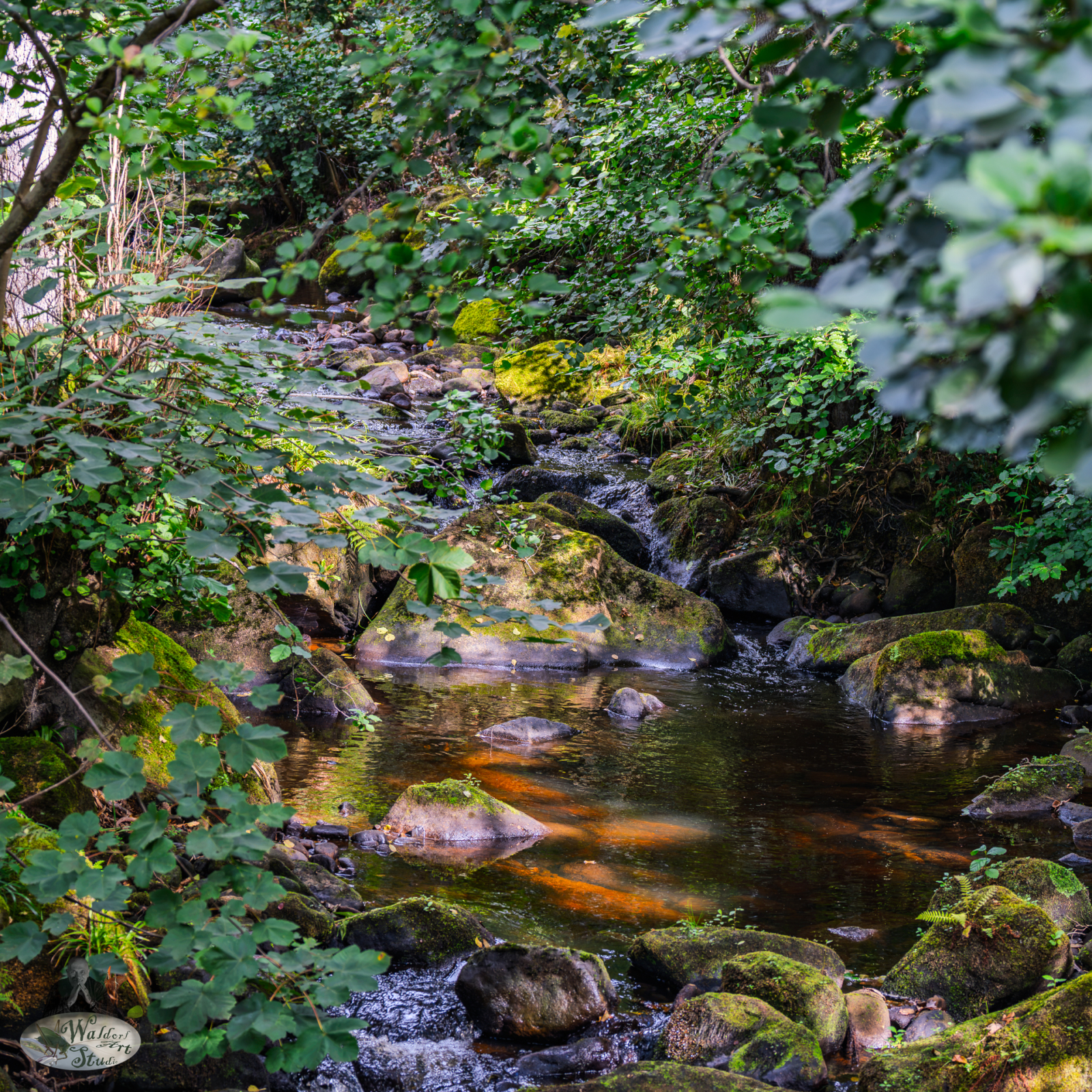
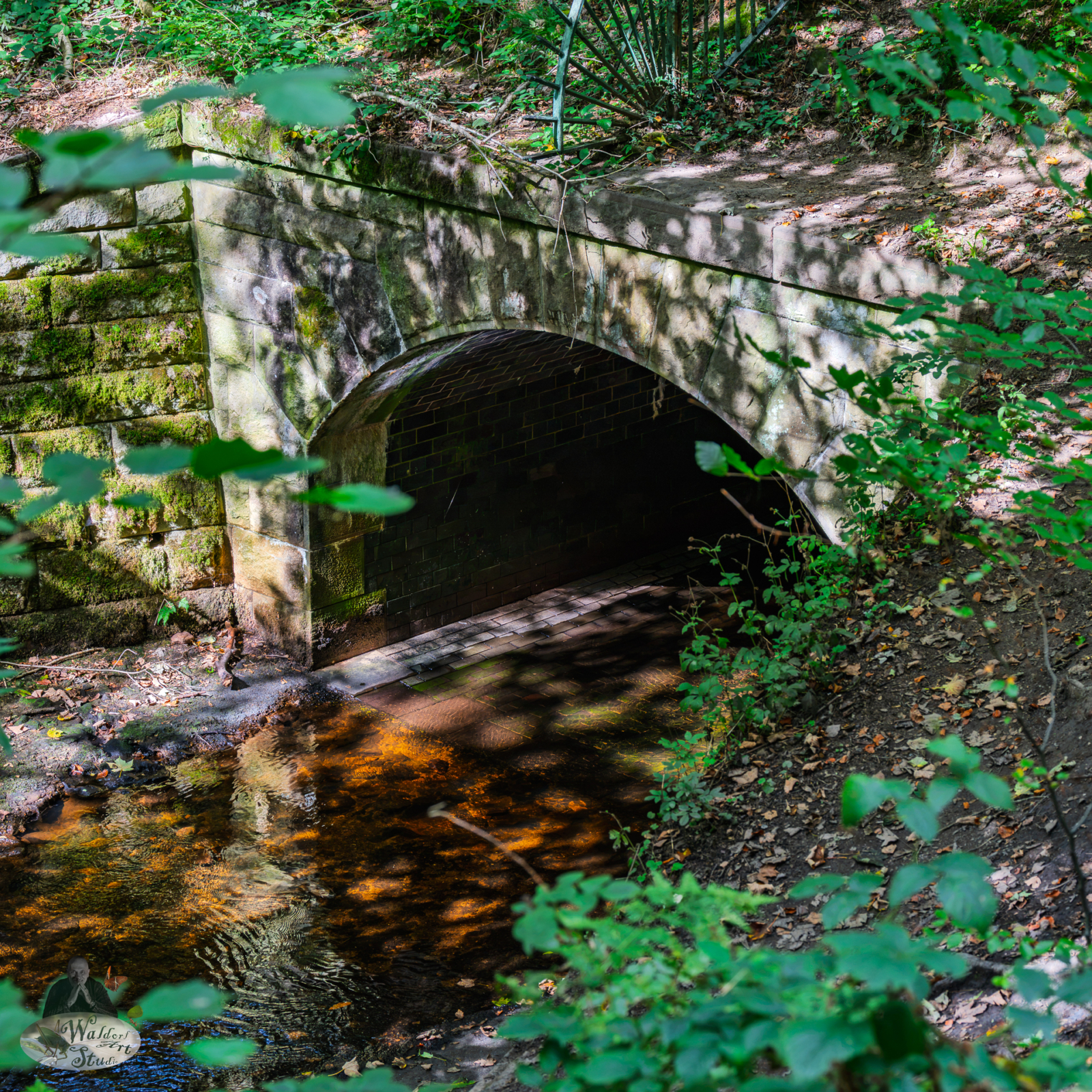
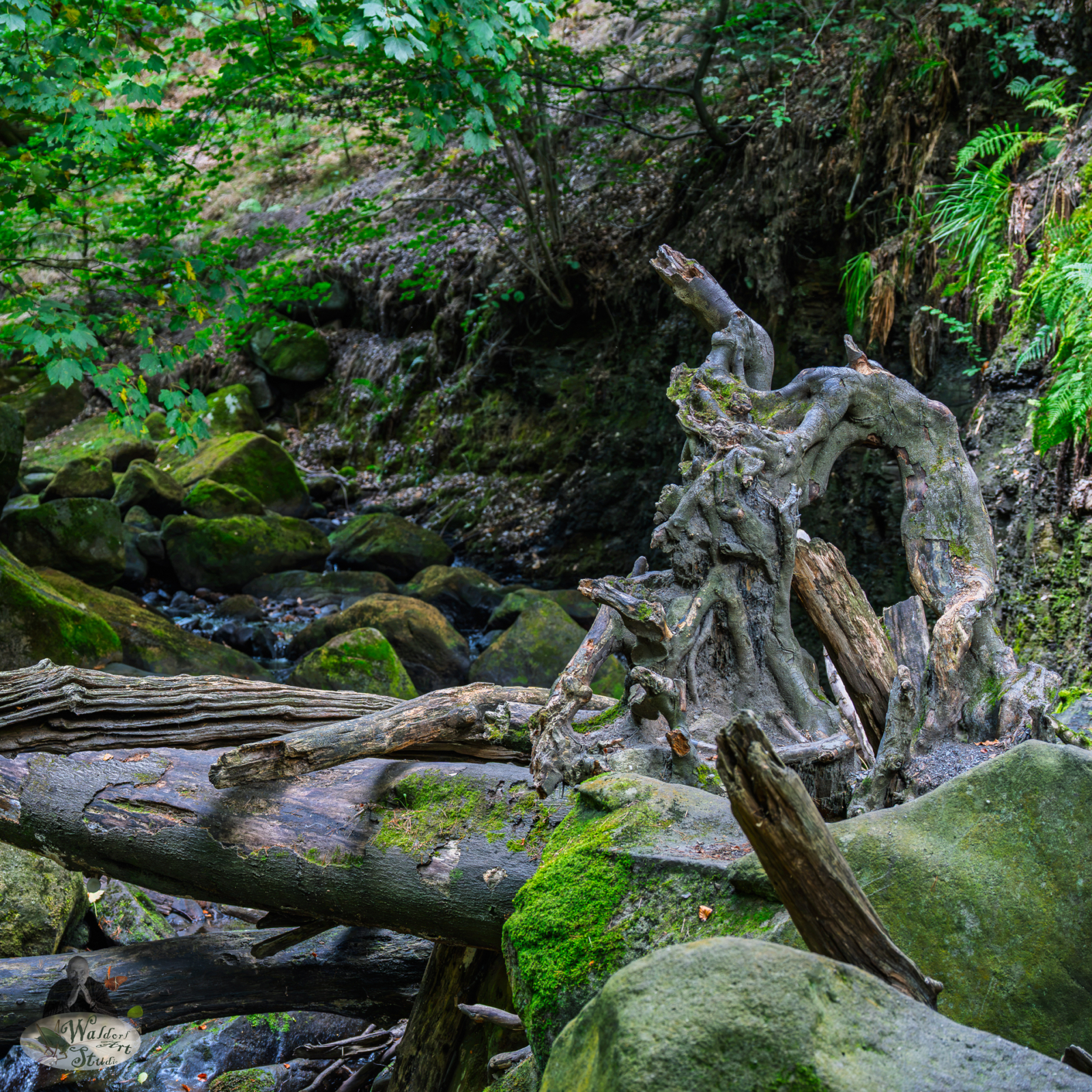
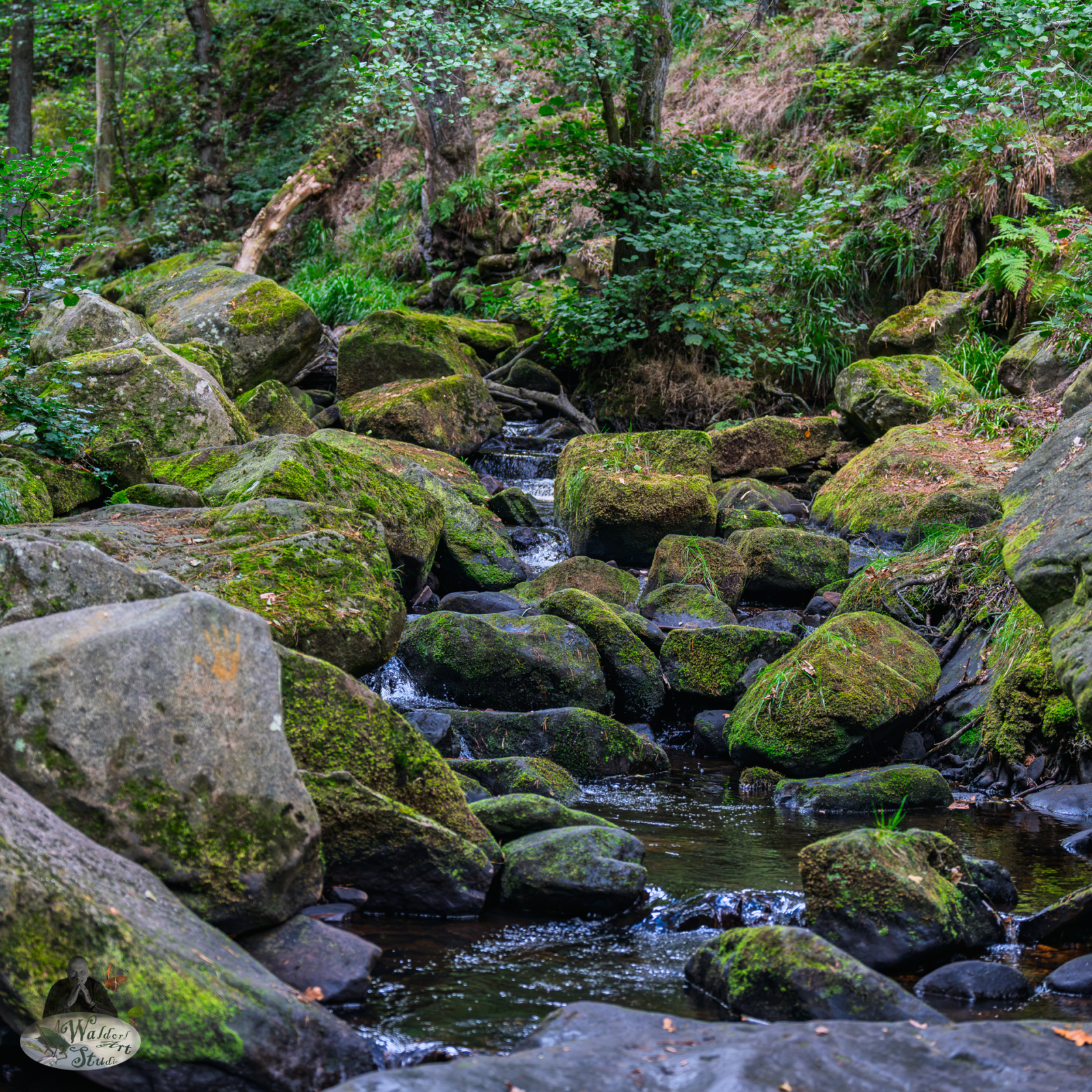
Burbage Brook winds its way through the gorge between rocks, roots and fallen branches.
Sometimes it moves quietly. Elsewhere, it tumbles over gritstone into small cascades and waterfalls.
You often hear it before you see it.
And somehow that sound remains with you as you walk through the woodland.
Water.
Leaves moving above your head.
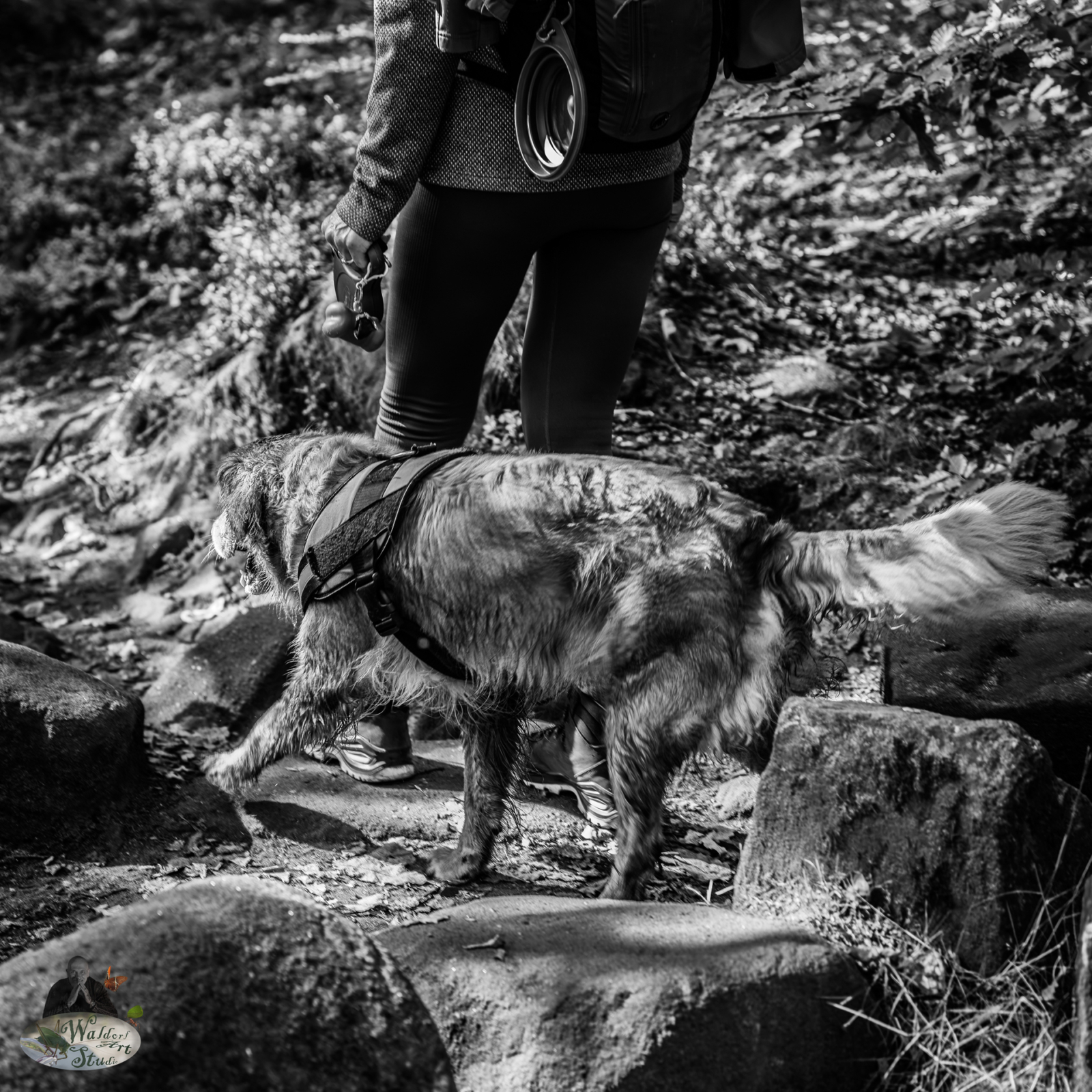
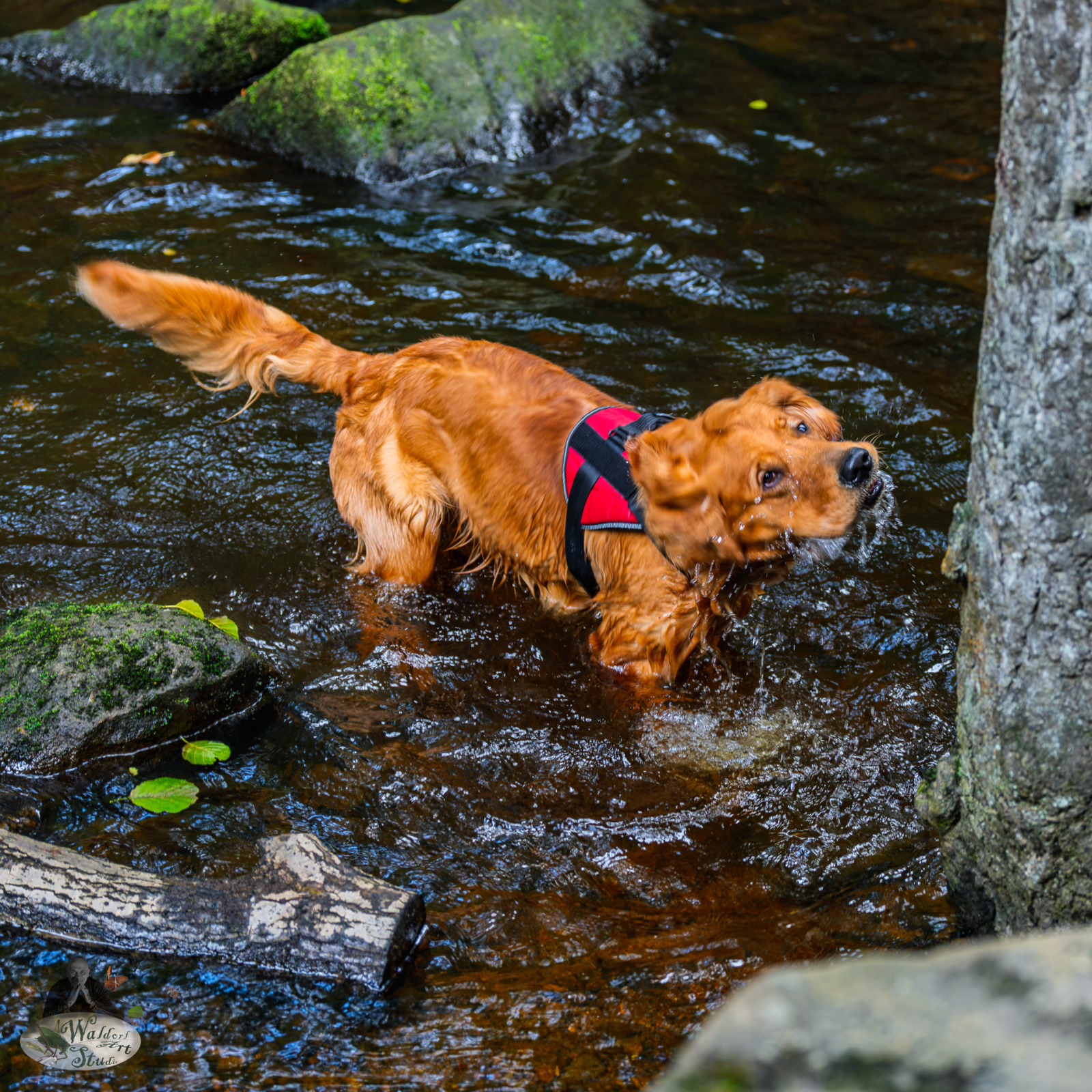
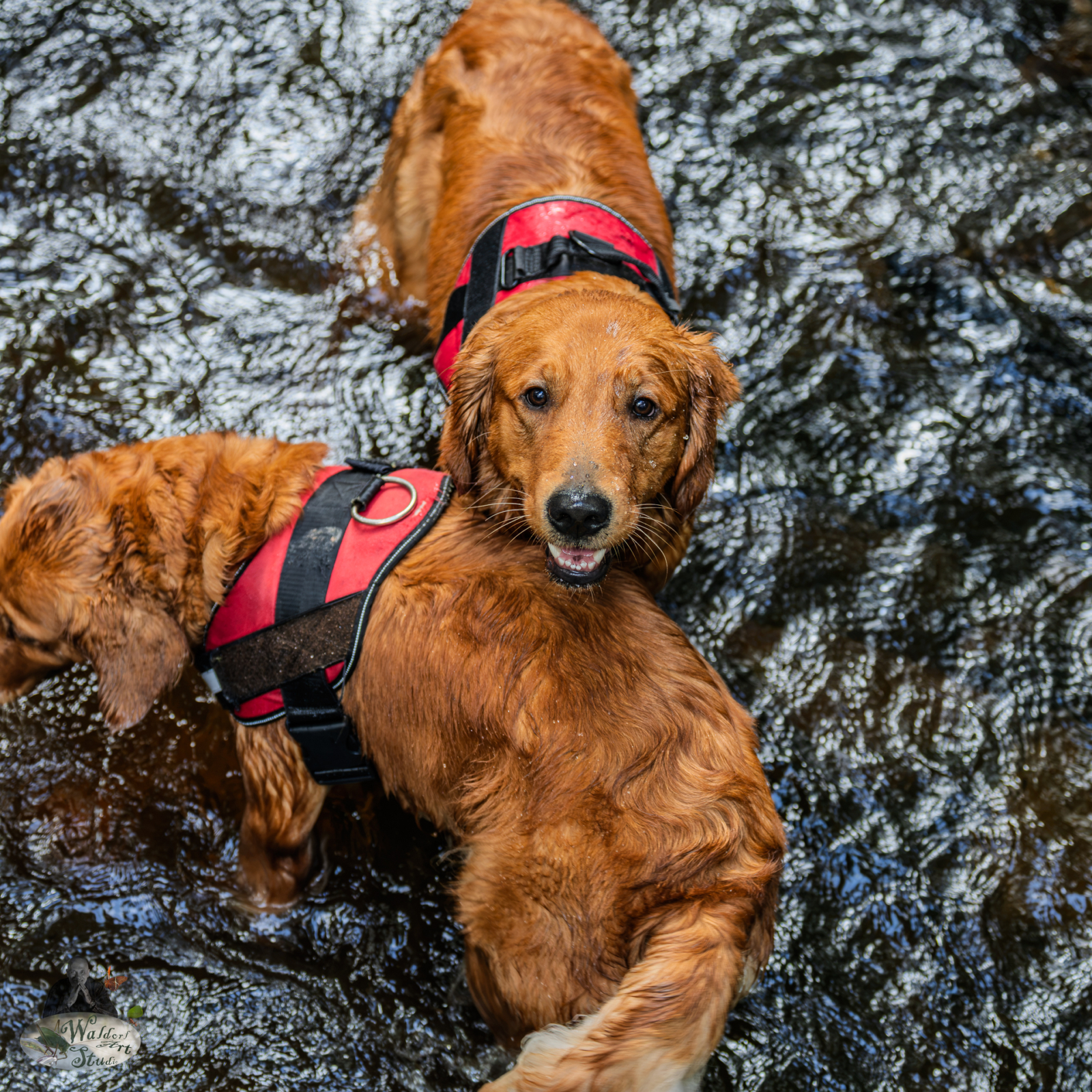
The dogs disappearing around the next bend, then returning to make sure the rest of the family is still following.
Boots against stone.
And every so often, almost nothing at all.
Just the forest.
There is something beautifully untidy about Padley Gorge.
Nature has not arranged itself for visitors.
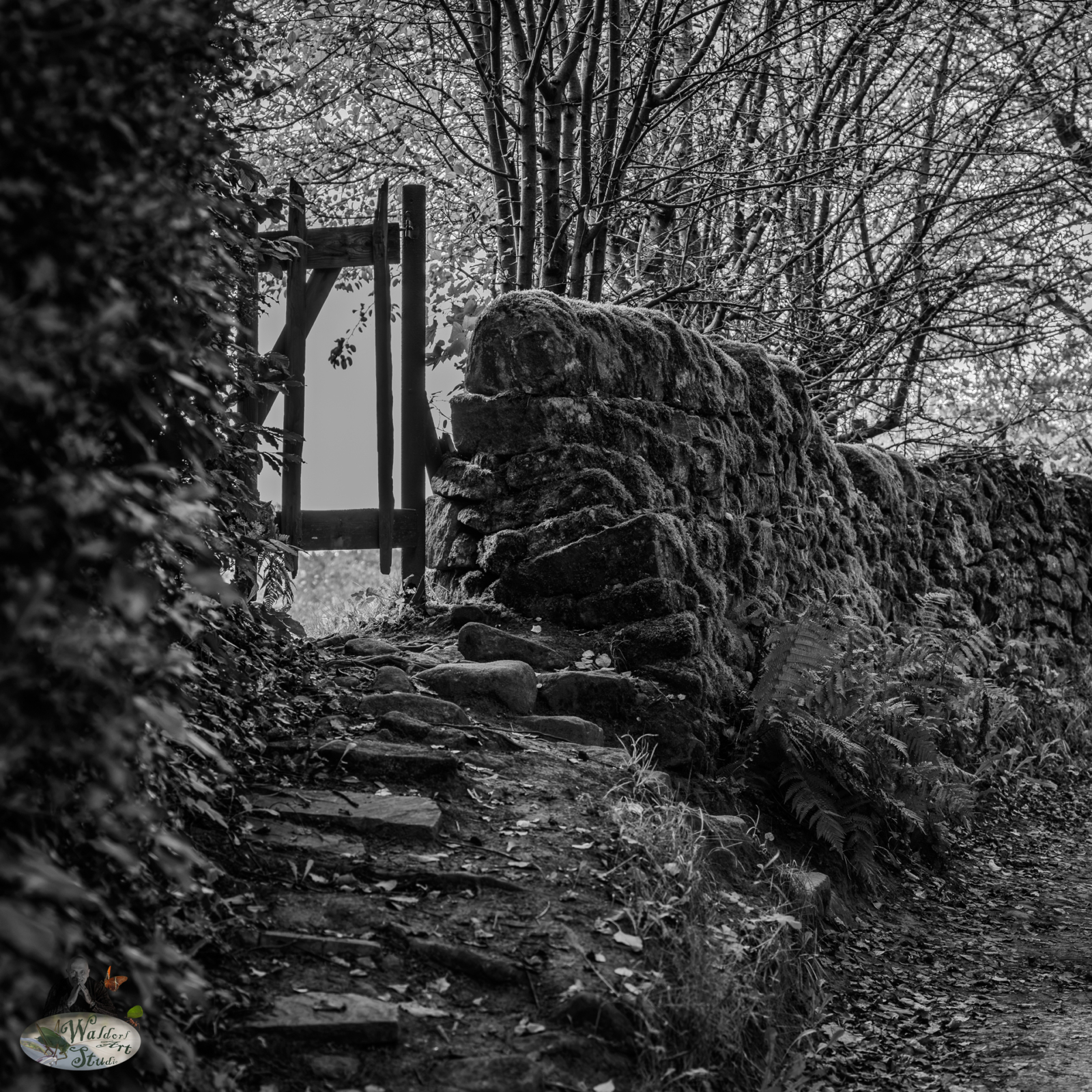
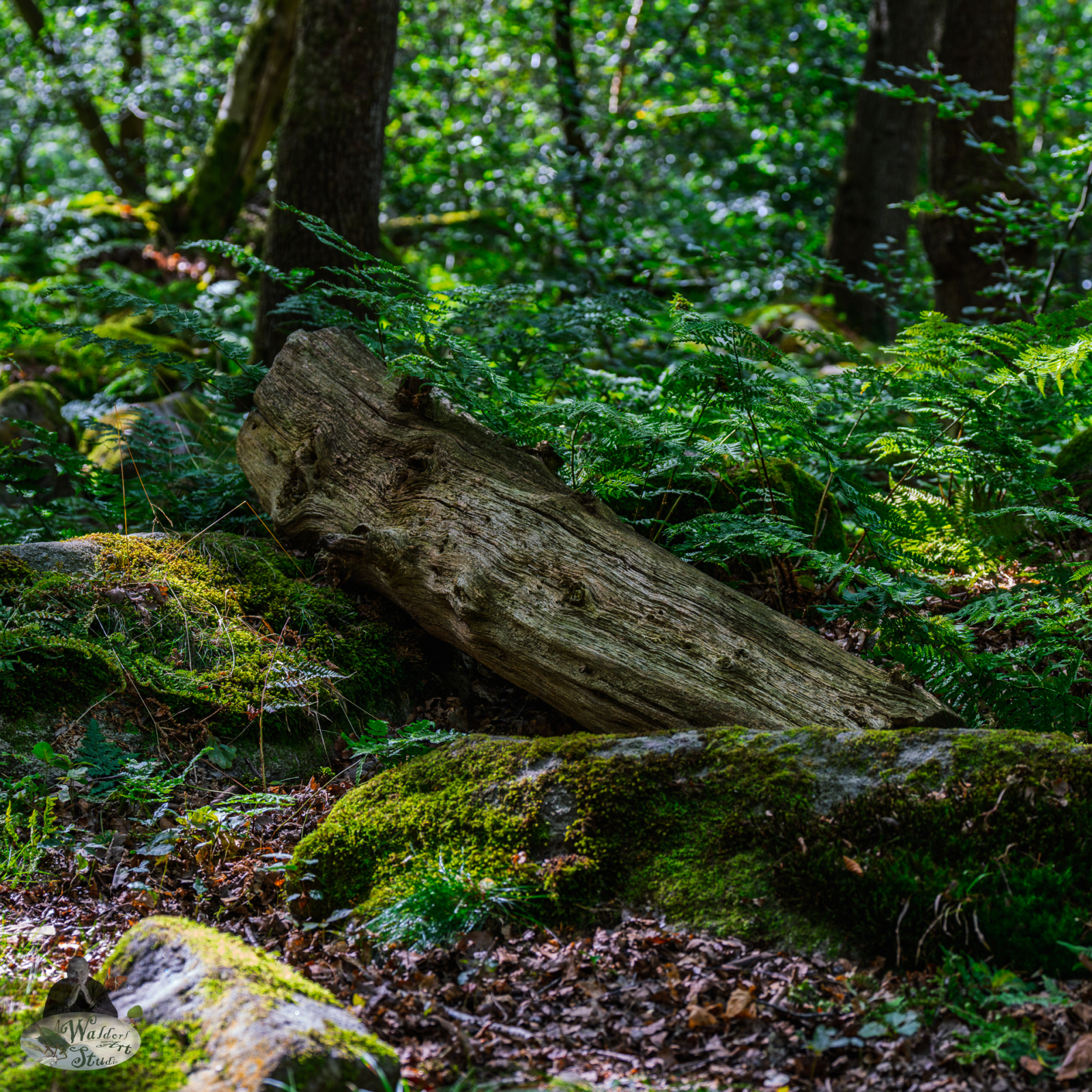
Trees lean across one another. Roots refuse to remain beneath the ground. Rocks interrupt the paths. Moss slowly covers fallen timber, while ferns emerge from places where there barely seems enough soil for anything to grow.
And everywhere you look, another photograph appears.
Photographing Padley Gorge in the Peak District
For a photographer, Padley Gorge in the Peak District can almost become overwhelming.
At first, you photograph the forest.
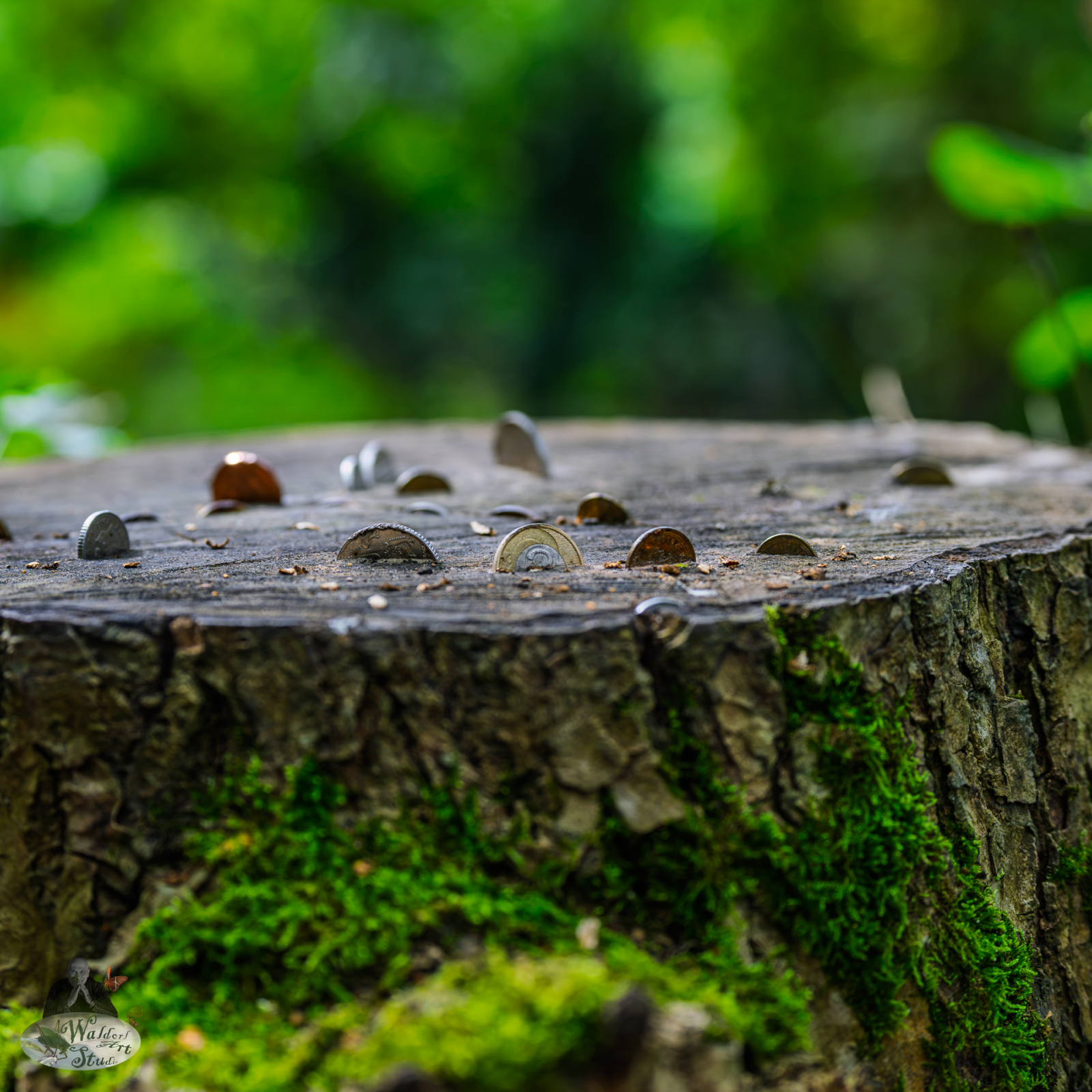
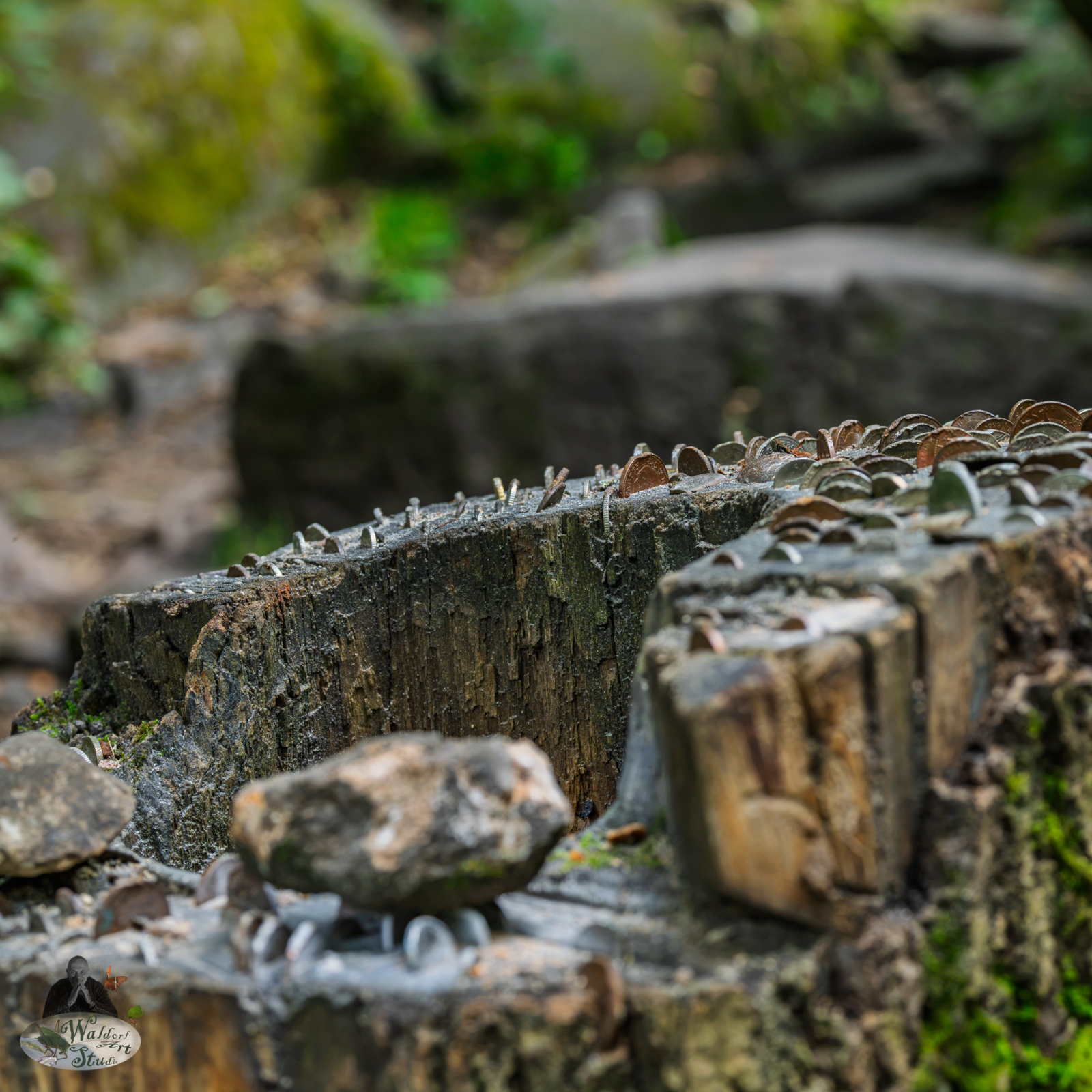
Then you begin to notice the bark.
The moss.
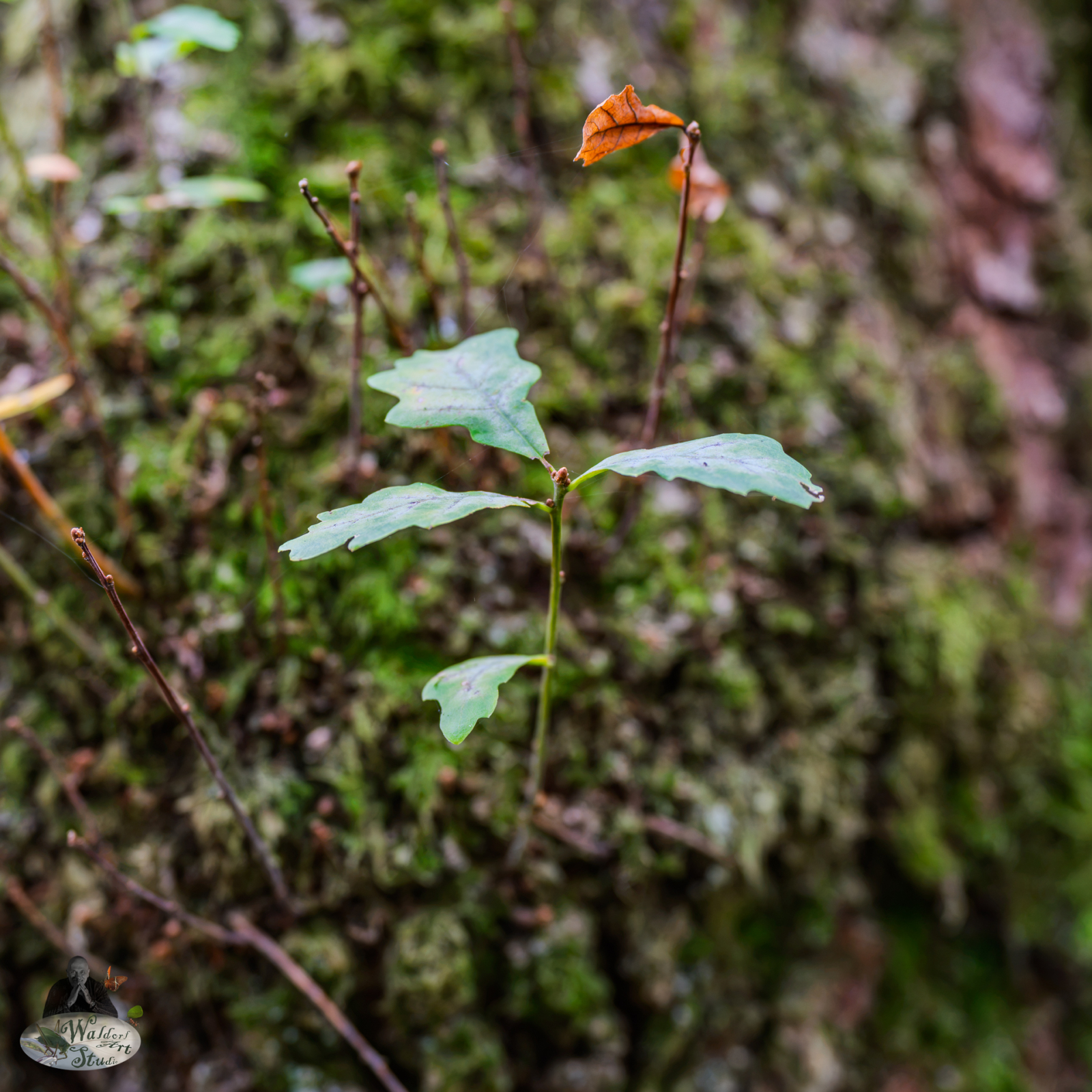
A single leaf catching a fragment of light.
Water moving between stones.
The shape of a branch.
A tree that has perhaps spent centuries becoming exactly the shape standing in front of you.
The deeper you walk into the woods, the smaller your world becomes.
The landscape gradually stops being one large scene and begins to break itself into details.
Light.
Texture.
Water.
Stone.
Roots.
Silence.
Forty-five photographs later, you realise that you have somehow managed to photograph the same forest again and again without ever really photographing it twice.
And perhaps that is what makes Padley Gorge so extraordinary.
It never quite looks the same from one step to the next.
Footsteps Before Ours
There is another layer to this landscape.
These paths did not begin with walkers carrying cameras.
Close to Padley Gorge lies Hollowgate, an old packhorse route once used to transport goods across the Peak District, connecting Sheffield with Manchester and the west. Salt, lead and charcoal were amongst the commodities carried across these moors.
People travelled through this landscape for practical reasons long before we began walking through it simply because it was beautiful.
Nearby, the remains of medieval Padley Hall carry a darker chapter of local history.
In 1588, the Catholic priests Nicholas Garlick and Robert Ludlam were seized at Padley Hall. They were later taken to Derby and executed.
Today, those stories are easy to pass without noticing.
The packhorses have gone.
The voices have disappeared.
The people who walked these paths centuries ago are part of history.
The forest has simply continued growing.
And perhaps that is part of what makes walking here feel slightly different.
You are not really discovering somewhere new.
For a little while, you are simply passing through somewhere very old.
Another Day, Another Place
These journeys are slowly becoming something of a tradition for us.
Pack the cameras.
Get the family together.
Bring the dogs.
Choose somewhere interesting on the map and go.
Not because every journey has to be extraordinary.
Quite the opposite.
Sometimes the best days are simply the ones when we leave ordinary life behind for a few hours and find out what is waiting beyond the next path.
Our day at Padley Gorge in the Peak District gave us ancient woodland, running water, twisted trees, gritstone, muddy paws and forty-five photographs attempting to preserve something that photographs can never quite contain:
the feeling of actually being there.
Perhaps that is why we will keep going.
There will always be another path.
Another forest.
Another place we have never seen before.
And another reason to take the dogs, pick up the cameras and disappear for a while.
This time, it was Padley Gorge.
Where Would You Send Us Next?
Where should we take the dogs, the cameras and simply head out to explore?
Leave your suggestion in the comments.
You never know — one of your places might become the next chapter of this story.